Hassan malik

The cryptocurrency market has developed far beyond simply buying Bitcoin or holding a few Top Crypto Products digital coins on an exchange. Today, investors can choose from a wide range of crypto products, including cryptocurrency wallets, portfolio trackers, market research platforms, decentralized applications, security solutions, trading tools, and tax-management services. These tools are becoming increasingly important as crypto portfolios become more diverse and blockchain ecosystems become more sophisticated.
For a beginner, the number of available crypto investment tools can feel overwhelming. For experienced investors, the challenge is often different: finding reliable products that can bring multiple parts of a portfolio together without creating unnecessary security risks. A modern investor may hold assets on centralized exchanges, manage tokens through a self-custody wallet, participate in decentralized finance, monitor NFT positions, and track transactions for accounting or tax purposes.
The right crypto products can make these activities easier to manage. A portfolio tracker can provide a consolidated view of holdings, while a wallet gives users a way to control or interact with blockchain assets. Market-data platforms can help investors follow prices and trading activity, while research tools can provide information about projects, networks, and market trends.
It is also important to understand that crypto tools do not eliminate investment risk. They can improve organization, information access, and security practices, but they cannot guarantee profits. Investors should independently verify information, understand the risks of digital assets, and carefully evaluate any platform before connecting an account or wallet.
This guide explores the major categories of crypto products and essential tools for crypto investors, explains how they work, and discusses what investors should consider when selecting tools for their individual needs.
What Are Crypto Products?
Crypto products are software, services, platforms, and digital solutions designed to help people interact with cryptocurrencies and blockchain networks. The term can cover everything from wallets and exchanges to analytics dashboards, portfolio-management applications, security systems, and decentralized applications.
Understanding the Crypto Product Ecosystem
The crypto ecosystem is made up of several interconnected layers. Centralized exchanges provide marketplaces where users can buy and sell digital assets. Self-custody wallets allow users to control their own private keys and interact directly with blockchain networks. Portfolio trackers bring information from different accounts into one interface, while research platforms help investors analyze assets and market activity.
The distinction between custody models is particularly important. On a centralized exchange, the platform generally manages the private keys associated with customer assets. With a self-custody wallet, the user controls the private keys or recovery mechanism. Coinbase’s educational documentation describes exchanges as custodial platforms and self-custody wallets as tools where users directly control their crypto through their own keys.
Understanding this difference is one of the foundations of responsible crypto asset management.
Crypto Wallets A Fundamental Product for Digital Assets
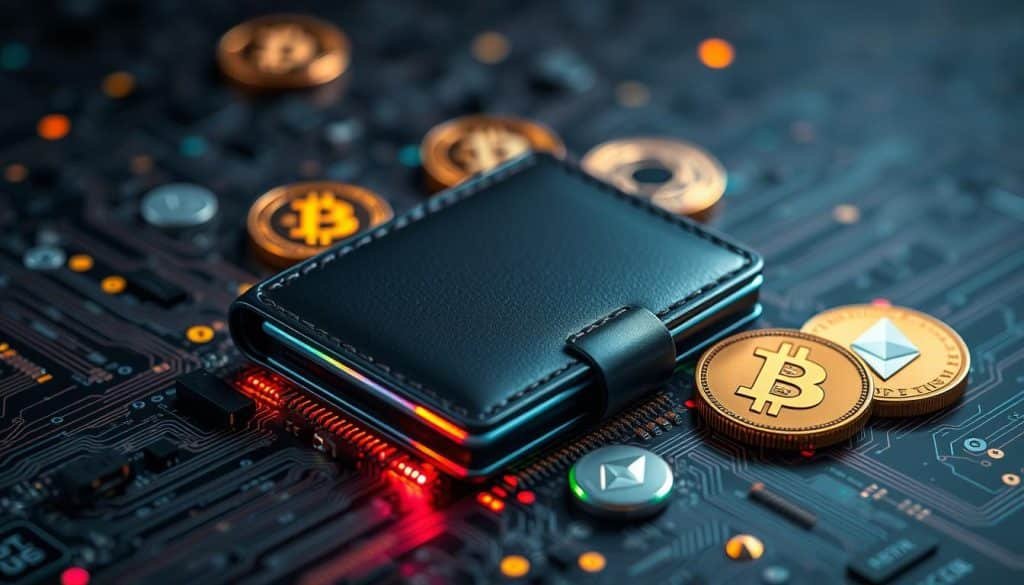
A cryptocurrency wallet is one of the most important crypto products for anyone interacting with blockchain assets. Wallets provide the interface through which users can receive, send, store, or interact with cryptocurrencies and decentralized applications.
Self-Custody Wallets
A self-custody wallet gives the user direct control over the credentials required to access blockchain assets. Depending on the wallet architecture, these credentials may involve a recovery phrase, private key, or alternative key-management technology.
Self-custody provides greater direct control, but it also creates greater responsibility. Losing a recovery phrase or exposing sensitive credentials can result in permanent loss of access. This is why wallet security should be treated as a core part of every crypto investment strategy.
Modern wallet technology is also evolving. Some wallets are experimenting with approaches such as multi-party computation, which can distribute key-related components rather than relying on a traditional single seed phrase. Binance, for example, describes its mobile Binance Wallet as using MPC technology and its web wallet as using a secure transaction-signing architecture.
Hardware Wallets
Hardware wallets are physical devices designed to provide an additional layer of protection for private-key operations. They are commonly considered by investors who hold digital assets for longer periods and want to separate sensitive signing operations from a general-purpose computer or smartphone.
The basic principle is straightforward: important cryptographic operations can take place through dedicated hardware rather than relying entirely on software running on an internet-connected device.
However, hardware wallets are not automatically risk-free. Users still need to protect recovery information, verify transactions carefully, purchase devices through trustworthy channels, and understand the wallet’s security model.
Crypto Exchanges and Trading Platforms
Centralized exchanges remain an important category of crypto products because they provide infrastructure for buying and selling digital assets. They can offer spot trading, recurring purchases, advanced order types, derivatives, staking-related services, and other features depending on the platform and jurisdiction.
Choosing a Crypto Exchange
When evaluating an exchange, investors should look beyond the number of supported coins. Factors such as security controls, regulatory status, available markets, liquidity, transaction fees, withdrawal policies, account protection, and geographic availability can all matter.
The availability of cryptocurrency services can differ significantly between countries. Investors should therefore verify whether a particular product is legally and operationally available in their jurisdiction before using it.
For users in Pakistan, the regulatory environment is particularly relevant. The Pakistan Virtual Assets Regulatory Authority states that the Virtual Assets Act, 2026 established a framework for virtual assets and that virtual asset service providers must meet applicable licensing requirements.
Understanding Exchange Security
Account security should be considered before depositing funds. Strong passwords, two-factor authentication, withdrawal protections, device security, and careful phishing awareness can reduce avoidable risks.
Investors should also understand the difference between an exchange account and a self-custody wallet. Keeping funds on an exchange means relying on the platform’s infrastructure and custody arrangements, while moving assets to self-custody transfers responsibility for key management to the user.
Crypto Portfolio Trackers for Better Asset Management
As crypto portfolios become more complicated, crypto portfolio trackers can become valuable organizational tools. Instead of checking several exchanges and blockchain addresses separately, a tracker may combine balances, transactions, performance data, and other information into a single dashboard.
Why Portfolio Tracking Matters
Suppose an investor holds Bitcoin on one exchange, Ethereum in a self-custody wallet, stablecoins in a decentralized finance protocol, and several altcoins across different platforms. Checking every position manually can become difficult.
A portfolio tracker can provide a consolidated picture of holdings and may calculate portfolio allocation, historical performance, profit and loss, and transaction activity. Current industry tools vary considerably in their support for exchanges, blockchains, DeFi applications, NFTs, and tax-related records.
The important point is that investors should verify whether a tracker actually supports the networks, exchanges, and transaction types they use. A tool may advertise broad coverage while still having limitations with particular assets or transaction histories.
Read-Only Connections and API Security
Some portfolio trackers connect to centralized exchanges through APIs. A read-only API can allow an application to retrieve account information without giving it permission to trade or withdraw funds.
This distinction is extremely important. Investors should avoid granting unnecessary permissions to third-party applications. If a portfolio tracker only needs balance and transaction information, its connection should not normally require withdrawal authority.
Security-focused crypto tracking guidance commonly recommends restricted, read-only API access and warns users never to provide seed phrases or private keys to portfolio trackers.
Crypto Market Research Tools
Successful crypto research requires more than watching a price chart. Crypto research tools can help investors examine market capitalization, trading volume, historical prices, token supply, network activity, project information, and other data.
Market Data Platforms
Market-data platforms are among the most widely used crypto products. They allow users to compare cryptocurrencies, monitor price movements, study market capitalization, and create watchlists.
For beginners, market-data tools can help explain basic concepts such as circulating supply, fully diluted valuation, trading volume, and historical price performance. For experienced users, they can support more detailed comparisons between assets and ecosystems.
However, market data should always be interpreted carefully. A rising price does not automatically indicate improving fundamentals, while high trading volume does not necessarily mean that an asset is suitable for a particular investor.
On-Chain Analytics
On-chain analysis is another major category of crypto research. Blockchain networks produce public transaction data, which can sometimes be analyzed to understand wallet activity, token movements, network usage, and other indicators.
On-chain analytics can be especially useful for investors researching decentralized finance and blockchain ecosystems. Nevertheless, blockchain data does not always reveal the identity or intentions behind an address. Investors should avoid treating a single wallet movement as definitive evidence of a market trend.
Crypto News and Research Platforms
Information moves quickly in the cryptocurrency market, making crypto news tools another important part of an investor’s toolkit.
Reliable news sources can help users follow protocol upgrades, regulatory developments, exchange announcements, security incidents, partnerships, and major market events.
Why Source Verification Matters
Crypto markets can react rapidly to rumors and social-media posts. Investors should therefore distinguish between confirmed announcements, reporting from established sources, analysis, and speculation.
A strong research process involves checking important claims against primary sources whenever possible. For example, if a blockchain project announces a major upgrade, investors can look for official documentation, developer announcements, governance proposals, or network records instead of relying exclusively on a social-media post.
This approach can reduce the risk of making decisions based on misinformation or misleading headlines.
Crypto Security Products
Security is one of the most important areas within the broader crypto products ecosystem. Digital assets can be exposed to phishing, malicious smart contracts, compromised accounts, fake websites, fraudulent tokens, and unsafe wallet approvals.
Wallet Security and Transaction Protection
Modern wallets are increasingly incorporating security features designed to identify suspicious activity before users confirm transactions. Binance announced a Security Center in 2026 that includes scanning for wallet, asset, approval, and transaction risks.
These systems can be useful because blockchain transactions are often difficult or impossible to reverse. A warning before signing a dangerous transaction may provide an important opportunity to stop and investigate.
Still, automated security systems should not replace human verification. Users should check website addresses, wallet addresses, transaction details, token contracts, and requested permissions before approving blockchain interactions.
Protecting Recovery Information
A recovery phrase should never be entered into an unfamiliar website or shared with another person claiming to provide technical support. Legitimate customer-service representatives should not need a user’s private recovery phrase to restore access to a self-custody wallet.
Security also extends beyond the wallet itself. A compromised email account, infected computer, malicious browser extension, or weak password can create additional attack opportunities.
DeFi Products and Decentralized Applications
Decentralized finance, commonly called DeFi, has created another major category of crypto products. DeFi applications can allow users to swap tokens, provide liquidity, lend or borrow assets, stake tokens, and interact with automated financial protocols.
Understanding DeFi Risks
DeFi can provide innovative financial functionality, but it also introduces additional risks. Smart-contract vulnerabilities, liquidity problems, oracle failures, economic exploits, malicious tokens, and user-interface attacks can affect participants.
Investors should research a protocol before connecting a wallet. They should understand what permissions a smart contract is requesting and what will happen if the transaction succeeds.
A portfolio tracker that displays DeFi positions can help users understand their exposure, but the tracker itself does not eliminate protocol risk.
Crypto Tax and Transaction Management Tools
As crypto activity increases, transaction records become increasingly important. Crypto tax tools can organize transaction histories, calculate gains or losses under applicable tax rules, and generate reports where supported.
Keeping Accurate Crypto Records
Crypto transactions can involve purchases, sales, swaps, transfers, staking rewards, liquidity positions, and other activities. Maintaining accurate records can become difficult when transactions are spread across multiple platforms.
Portfolio and tax tools can help consolidate this information, but users should verify imported transactions. Industry research notes that automated trackers can miss certain transaction types or depend on limitations in exchange APIs and blockchain data.
Tax treatment also varies by jurisdiction. Investors should not assume that software-generated calculations automatically reflect their local legal obligations.
AI-Powered Crypto Products
Artificial intelligence is increasingly appearing within crypto products, especially portfolio analysis, market research, news summarization, and data interpretation.
An AI crypto tool may help organize large amounts of information, identify relevant events, summarize market data, or answer questions about a portfolio.
AI Should Support Research, Not Replace It
AI-generated analysis can contain errors. Investors should therefore treat AI as a research assistant rather than an unquestionable financial authority.
The best use of AI in crypto can be to accelerate information gathering while leaving verification and final decisions to the user. For example, an investor might use AI to summarize a project’s documentation and then review the original documentation before acting.
This distinction becomes especially important when AI tools are connected to portfolios. Automated recommendations should be reviewed carefully before any transaction is authorized.
How to Choose the Right Crypto Products
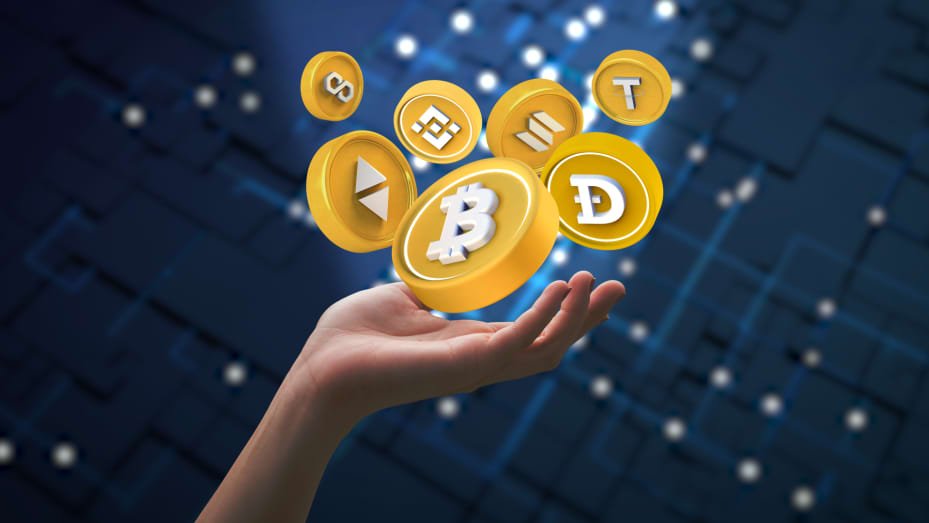
Choosing among different crypto products depends heavily on an investor’s goals, experience, portfolio size, preferred custody model, and level of blockchain activity.
Beginners
A beginner may primarily need a reputable exchange, a secure wallet, a reliable market-data platform, and basic portfolio tracking. Simplicity can be valuable because complicated tools may create additional opportunities for mistakes.
Beginners should first understand basic concepts such as private keys, recovery phrases, blockchain networks, transaction fees, and wallet addresses before moving into more advanced DeFi products.
Active Investors
Active investors may require advanced charting, market-data feeds, alerts, portfolio analytics, exchange integrations, and research tools.
For these users, integration quality becomes particularly important. A tool is useful only if the data it provides is sufficiently complete and accurate for the investor’s workflow.
Long-Term Investors
Long-term holders may place greater emphasis on crypto security, self-custody, hardware wallets, transaction records, and reliable portfolio monitoring.
The objective is not necessarily to use the largest number of tools. Instead, investors can focus on building a simple system in which each product has a clear purpose.
The Future of Crypto Products
The crypto industry continues to develop rapidly, and the next generation of crypto products is likely to focus heavily on usability, security, interoperability, and automation.
Wallets are becoming more than simple storage interfaces. They are increasingly becoming gateways to DeFi, trading, decentralized applications, portfolio monitoring, and blockchain discovery.
Portfolio platforms are also moving toward broader financial dashboards that can combine exchange accounts, wallets, DeFi positions, and other assets. At the same time, security systems are becoming more proactive by scanning transactions and wallet permissions before users interact with potentially dangerous contracts.
The growing number of blockchain networks also increases the importance of interoperability. Investors want tools that can provide a coherent view of assets across multiple networks rather than forcing them to manage every blockchain separately.
Conclusion
The modern cryptocurrency investor has access to a wide ecosystem of crypto products and essential tools. Wallets provide access to digital assets, exchanges facilitate trading, portfolio trackers organize holdings, research platforms provide market information, security products help identify threats, and tax tools can simplify transaction management.
The most useful tool depends on the individual’s needs. A beginner may prioritize simplicity and security, while an experienced DeFi participant may need sophisticated on-chain analytics and multi-network portfolio tracking. A long-term holder may place greater emphasis on self-custody and hardware security, while an active trader may require advanced market and trading infrastructure.
The important principle is to understand what each product actually does and what risks it introduces. Investors should verify platform security, review permissions carefully, protect private credentials, and avoid relying on a single source of information.
Ultimately, crypto products should make investing more organized, informed, Top Crypto Products and manageable rather than encourage unnecessary complexity. By combining appropriate wallets, research platforms, portfolio trackers, security solutions, and record-keeping tools, investors can build a more structured approach to managing their digital assets while remaining responsible for their own decisions.