Hassan malik

The cryptocurrency industry has evolved far beyond simply buying and selling Bitcoin. Today, Crypto Products include a broad range of digital assets, financial tools, wallets, payment solutions, investment platforms, decentralized applications, and blockchain-based services designed for different types of users. Whether someone is completely new to cryptocurrency or already familiar with blockchain technology, understanding the different types of crypto products can make the digital asset ecosystem much easier to navigate.
Unlike traditional financial products, many crypto products operate on decentralized networks rather than depending entirely on banks or centralized institutions. This creates new possibilities for digital payments, asset ownership, financial services, and online applications. At the same time, the crypto market introduces unique considerations involving volatility, cybersecurity, regulation, private keys, and smart-contract risks.
The growing popularity of digital assets, blockchain technology, cryptocurrency wallets, decentralized finance, and crypto trading platforms has created an increasingly diverse market. Some crypto products are designed for investment, while others focus on payments, storage, lending, trading, gaming, or digital ownership.
This guide explains what crypto products are, how they work, the major categories available today, and what users should understand before interacting with them.
What Are Crypto Products?
Crypto products are digital assets, services, platforms, or financial tools built around cryptocurrency and blockchain technology. They can include cryptocurrencies themselves as well as applications that allow people to store, exchange, transfer, use, or manage digital assets.
A cryptocurrency such as Bitcoin or Ether can be considered a digital asset, while a crypto wallet is a tool for managing access to those assets. Similarly, a decentralized finance application can provide financial functionality through blockchain-based smart contracts.
The term crypto products therefore covers a much wider ecosystem than individual cryptocurrencies. It can refer to consumer applications, investment-related services, blockchain infrastructure, payment technologies, and decentralized platforms.
The purpose of a crypto product depends on its design. Some products are created to facilitate transactions, some provide access to decentralized applications, and others are designed to represent digital ownership or financial value.
Why Crypto Products Are Becoming More Diverse
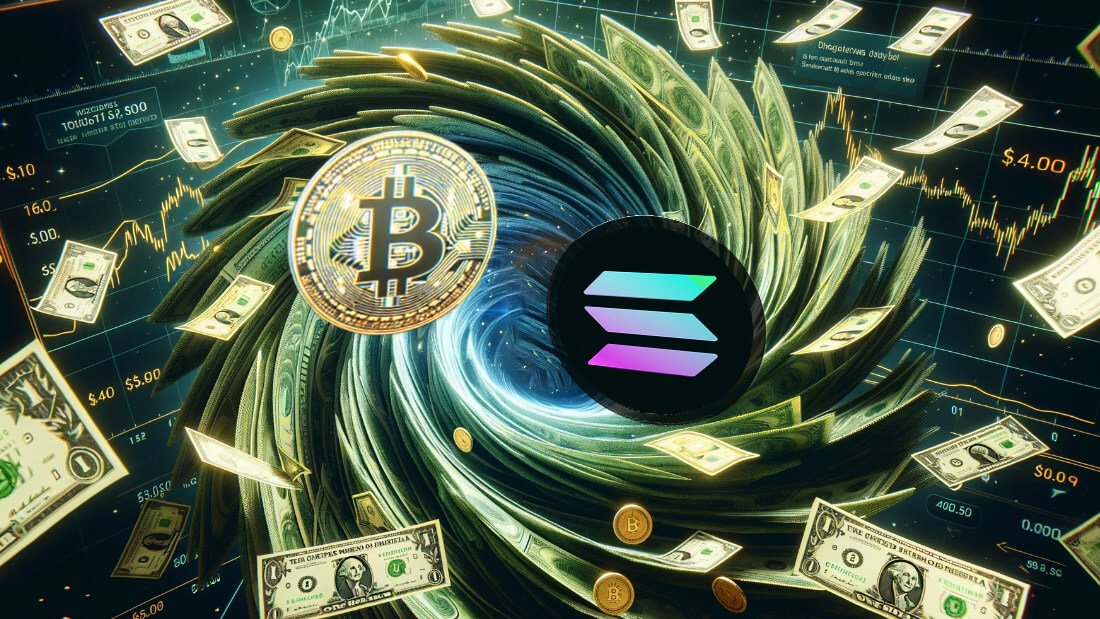
The cryptocurrency industry has expanded because blockchain networks can support programmable transactions and applications. Developers can build services that operate through smart contracts, allowing certain activities to happen automatically according to predefined rules.
This has contributed to the development of blockchain applications, DeFi platforms, tokenized assets, digital collectibles, payment systems, and other blockchain-based services.
Another reason for the growth of crypto products is the increasing demand for alternatives to traditional digital financial systems. Cryptocurrency can allow users to transfer value directly between compatible wallets without necessarily using conventional banking infrastructure.
However, greater variety also means greater complexity. Two crypto products may appear similar while having very different technical structures, risks, fees, and levels of centralization. Users should therefore understand how a product works before using it.
Major Types of Crypto Products
The crypto ecosystem contains several major categories. Understanding these categories provides a foundation for evaluating different products and recognizing how they fit into the broader blockchain industry.
Cryptocurrencies and Digital Coins
Cryptocurrencies are among the most recognizable crypto products. They are digital assets that generally use blockchain or distributed ledger technology to record transactions.
Bitcoin is widely known as a decentralized digital currency, while other networks have been developed for different purposes. Some cryptocurrencies focus primarily on payments, while others are connected to blockchain platforms that support applications and smart contracts.
The value of cryptocurrencies can change substantially because prices are influenced by supply and demand, market sentiment, technological developments, adoption, regulation, and broader economic conditions.
For this reason, cryptocurrency should not automatically be treated as equivalent to traditional cash or conventional investments.
Stablecoins
Stablecoins are crypto assets designed to maintain a relatively stable value, often by referencing an external asset such as a major fiat currency. Their purpose is generally to reduce some of the price volatility associated with other cryptocurrencies.
Stablecoins can be used within cryptocurrency markets for trading, transfers, decentralized applications, and other blockchain-based activities.
However, the word “stable” does not mean risk-free. The mechanism supporting a stablecoin, its reserves or collateral structure, redemption arrangements, and the organization responsible for its operation can all affect its risk profile.
Understanding how a particular stablecoin maintains its value is therefore important before using it.
Crypto Wallets
A cryptocurrency wallet is another major category of crypto product. Wallets allow users to manage the cryptographic credentials required to interact with blockchain assets.
Crypto wallets can generally be divided into software wallets and hardware wallets. Software wallets operate through applications or browser-based interfaces, while hardware wallets use dedicated physical devices to protect private keys.
It is important to understand that a wallet does not function like a traditional bank account. Cryptocurrency ownership depends heavily on control of the relevant private keys or recovery credentials.
Protecting wallet information is therefore one of the most important aspects of cryptocurrency security.
Cryptocurrency Exchanges
Crypto exchanges are platforms that facilitate the buying, selling, and trading of digital assets. Depending on the platform, users may be able to exchange cryptocurrencies for traditional currencies or trade one digital asset for another.
Some exchanges operate through centralized organizations, while decentralized exchanges use blockchain-based smart contracts to facilitate transactions without relying on the same type of centralized order-management structure.
Exchange users should consider factors such as supported assets, transaction fees, security practices, available features, withdrawal policies, and applicable regulations.
Decentralized Finance Products
Decentralized finance, commonly called DeFi, represents one of the most innovative areas of the crypto ecosystem. DeFi applications use blockchain networks and smart contracts to provide financial functions through decentralized protocols.
Depending on the platform, DeFi products can include decentralized exchanges, lending protocols, borrowing applications, liquidity systems, and other financial services.
The major distinction is that many DeFi applications attempt to replace or reduce the role of traditional intermediaries with programmable blockchain protocols.
Nevertheless, smart-contract vulnerabilities, market volatility, liquidity risks, and other technical or financial risks can affect DeFi products. Users should understand these risks rather than assuming that decentralized automatically means safer.
Crypto Trading Products
Crypto trading products are designed for users who want to participate in digital asset markets. These can include spot trading services, derivatives, automated trading tools, market-analysis platforms, and portfolio-management applications.
Spot Trading
Spot trading involves buying or selling a digital asset at the current market price. It is one of the simplest forms of cryptocurrency trading and is commonly available through centralized and decentralized exchanges.
Users should understand trading fees, spreads, withdrawal costs, and market volatility before participating.
Crypto Derivatives
Some platforms offer derivatives linked to cryptocurrency prices. These products can include futures and other contracts whose value is connected to an underlying digital asset.
Derivatives can be considerably more complex than ordinary spot transactions. Leverage can amplify both potential gains and losses, meaning users need to understand the mechanics and risks before using such products.
Crypto Portfolio Management
Portfolio-management tools allow users to monitor multiple digital assets in one place. They may provide information about balances, historical performance, allocation, and transaction activity.
For people who hold several cryptocurrencies, these tools can simplify portfolio organization and provide a broader view of their digital assets.
NFT and Digital Ownership Products
Non-fungible tokens, commonly known as NFTs, introduced another category of blockchain-based products. Unlike interchangeable cryptocurrency units, NFTs are designed to represent unique digital tokens.
NFT technology has been used for digital artwork, collectibles, memberships, gaming items, tickets, and other forms of digital ownership or access.
The important concept is that the token exists on a blockchain and can contain or reference information associated with a particular digital item or utility. However, purchasing an NFT does not automatically mean that the buyer receives copyright ownership of the associated artwork or media.
The rights attached to an NFT depend on its specific terms and underlying project.
Crypto Payment Products
Cryptocurrency payment products are designed to make digital assets useful for transferring or receiving value.
These products can include crypto payment gateways, merchant services, wallet-based payment systems, and blockchain-based transfer solutions.
Businesses may use payment products to accept supported cryptocurrencies from customers. Depending on the system, payments may offer different settlement speeds, transaction costs, and conversion options.
For businesses considering crypto payments, factors such as accounting, taxation, regulatory requirements, cybersecurity, supported currencies, and customer demand should be evaluated carefully.
Crypto Staking Products
Crypto staking is associated with blockchain networks that use proof-of-stake or related consensus mechanisms. Certain networks allow participants to commit eligible digital assets to support network operations and potentially receive rewards.
Staking products may be offered directly through blockchain wallets, exchanges, or specialized platforms.
The risks can vary depending on the network and service. Participants may encounter lock-up periods, changing reward rates, validator-related risks, market-price volatility, or platform-specific risks.
Therefore, the advertised staking reward should not be viewed independently from the underlying risks and conditions.
Blockchain-Based Gaming Products
The gaming sector has also adopted crypto products through blockchain-based games, digital collectibles, tokens, and virtual economies.
Some blockchain games allow players to own or trade certain digital items using blockchain technology. These assets may be represented by tokens or NFTs.
The concept of Web3 gaming attempts to give players greater control over certain digital assets, although the practical benefits vary significantly between projects.
As with other crypto products, users should investigate the actual utility of a gaming token or NFT rather than relying solely on promotional claims.
Tokenized Real-World Assets
Tokenization refers to representing certain rights or interests in an asset through blockchain-based tokens. The concept has been explored for various forms of real-world assets, including financial instruments, commodities, property-related interests, and other assets.
Tokenized assets can potentially make certain forms of ownership or financial participation easier to transfer or manage digitally.
However, tokenization does not eliminate the legal and regulatory requirements associated with the underlying asset. The relationship between the blockchain token and the real-world asset is especially important.
Users should understand what legal rights a token actually provides before treating it as equivalent to direct ownership.
How to Choose Crypto Products
Choosing a crypto product should begin with understanding its purpose. A person looking for secure long-term asset storage has different requirements from someone interested in decentralized applications or cryptocurrency payments.
Security should be one of the first considerations. Users should examine how private keys are handled, whether strong authentication is available, how transactions are authorized, and what recovery options exist.
Fees are another important consideration. Crypto products may involve trading fees, network fees, withdrawal charges, subscription costs, or other expenses. The lowest advertised fee does not necessarily mean the lowest overall cost.
Transparency is equally important. Users should look for clear information about the company, protocol, technology, fees, risks, and terms of service.
Regulatory status may also matter depending on the user’s location and the type of product involved. Cryptocurrency regulations vary between jurisdictions and can change over time.
Crypto Product Security
Security is one of the most important subjects when discussing crypto products. Blockchain transactions can be difficult or impossible to reverse after confirmation, which means mistakes can have serious consequences.
Users should protect their private keys and recovery phrases and avoid sharing sensitive wallet credentials. Phishing attacks are also common in the broader digital asset ecosystem, making it important to verify websites, applications, and transaction details carefully.
Hardware wallets can provide an additional security layer for certain users, while reputable software wallets may provide convenient access for everyday transactions.
Security practices should match the amount of value involved and the user’s technical knowledge.
Common Risks Associated With Crypto Products
Crypto products can offer innovative functionality, but they also involve risks.
Market volatility is one of the most visible risks. Cryptocurrency prices can move significantly over relatively short periods, and users can lose money when asset prices decline.
Technology risk is another consideration. Smart contracts can contain vulnerabilities, blockchain networks can experience congestion, and applications can encounter technical problems.
There is also counterparty risk when users depend on a centralized company or service provider. The financial condition, security practices, policies, and operational decisions of that organization can affect customers.
Scams and fraudulent projects represent another major concern. Promises of guaranteed returns, unrealistic rewards, urgent investment opportunities, and requests for private keys should be treated with extreme caution.
The Future of Crypto Products
The future development of crypto products will likely depend on technological innovation, consumer adoption, regulatory frameworks, and the ability of blockchain applications to solve practical problems.
Developers continue to explore faster blockchain networks, improved scalability, better wallet experiences, tokenization, decentralized applications, and connections between blockchain systems and traditional financial infrastructure.
At the same time, users increasingly expect crypto products to provide stronger security, clearer interfaces, transparent pricing, and practical utility.
The industry may therefore move toward products that make blockchain technology less visible to everyday users. Instead of requiring people to understand complex blockchain terminology, future applications may integrate digital assets into familiar financial, commercial, gaming, and online experiences.
Final Thoughts on Crypto Products
Crypto products now represent a broad digital ecosystem that extends well beyond individual cryptocurrencies. From wallets and exchanges to stablecoins, DeFi applications, NFTs, staking services, payment solutions, and tokenized assets, blockchain technology has created numerous ways to interact with digital value.
Understanding the differences between these products is essential. A crypto wallet serves a different purpose from an exchange, while a stablecoin has different characteristics from a highly volatile cryptocurrency. Likewise, a DeFi protocol and a centralized financial service can have very different structures and risks.
For anyone exploring the cryptocurrency market, education should come before action. Researching the technology, understanding fees, protecting account credentials, checking applicable regulations, and recognizing the risks can help users make more informed decisions.
As blockchain technology continues to develop, crypto products are likely to remain an important part of the digital economy. Their long-term relevance will depend not only on cryptocurrency prices but also on whether these products can deliver useful, secure, transparent, and accessible solutions for real-world users.