
 Hassan malik
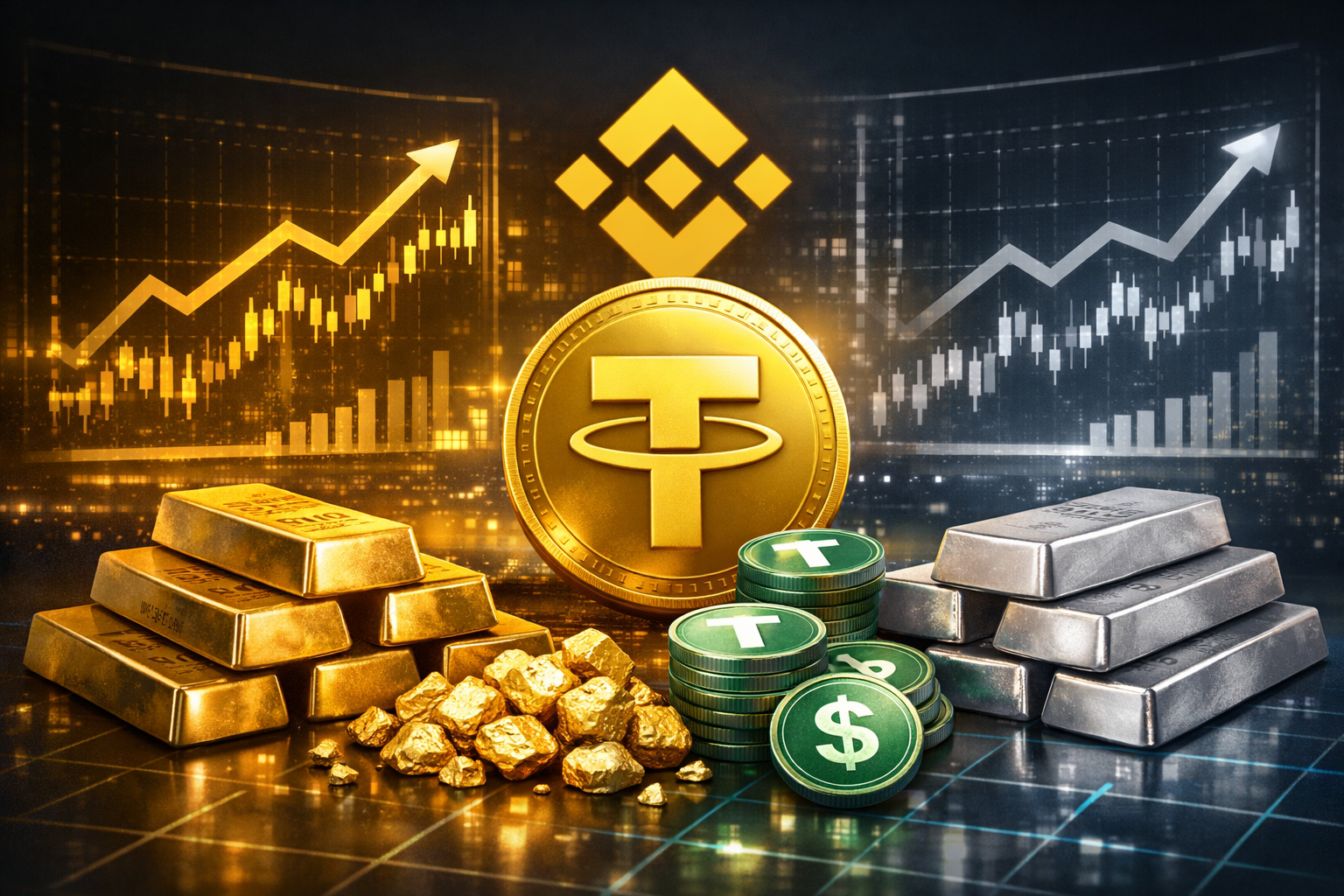
The cryptocurrency industry has evolved from a small experiment in Crypto Products digital money into a broad ecosystem containing thousands of assets, platforms, applications, and financial services. Today, people can use blockchain technology for payments, trading, investing, decentralized finance, digital ownership, gaming, and many other purposes. As this ecosystem expands, crypto products have become an important part of the modern digital economy.
The term crypto products covers much more than cryptocurrencies such as Bitcoin and Ethereum. It can include digital assets, cryptocurrency wallets, trading platforms, decentralized applications, stablecoins, staking services, decentralized finance tools, NFTs, tokenized assets, and blockchain-based payment solutions. Each product has a different purpose, technology, risk profile, and user experience.
For beginners, the large number of available products can sometimes make the cryptocurrency market confusing. A wallet is not the same as an exchange, a stablecoin does not work like a traditional cryptocurrency, and a DeFi protocol has different risks from a centralized financial platform. Understanding these differences is essential for anyone researching the blockchain industry.
This article explores the world of crypto products, explaining the major categories, their uses, important features, emerging trends, and potential risks. By understanding how these products work, readers can develop a clearer picture of the rapidly changing cryptocurrency ecosystem.
What Are Crypto Products?
Crypto products are digital assets, services, platforms, and applications that use cryptocurrency or blockchain technology. Some products are designed to help users buy and sell digital assets, while others provide financial services or blockchain-based functionality.
The category can include both simple and highly advanced technologies. A cryptocurrency wallet may provide basic asset storage and transaction functionality, while a decentralized finance protocol can use multiple smart contracts to provide lending, borrowing, or trading services.
Digital Assets
Digital assets are one of the most visible categories of crypto products. Bitcoin, Ethereum, and thousands of other blockchain-based tokens are examples of digital assets.
Different tokens can serve different purposes. Some are designed primarily as payment or store-of-value assets, while others provide access to applications, governance systems, blockchain networks, or specific ecosystems.
The value and usefulness of a digital asset depend on factors such as technology, adoption, supply, demand, liquidity, utility, and market conditions.
Blockchain-Based Services
Crypto products also include services built around blockchain networks. These services can make it easier for users to interact with digital assets.
Crypto exchanges, wallets, portfolio applications, payment services, staking platforms, and decentralized applications all contribute to the wider cryptocurrency ecosystem.
Types of Crypto Products

The cryptocurrency market contains many different categories, and each category serves a particular purpose. Understanding these categories makes it easier to navigate the rapidly expanding digital asset industry.
Cryptocurrency Exchanges
Cryptocurrency exchanges are platforms that allow users to buy, sell, swap, and trade digital assets. They are among the most commonly used crypto products because they provide an entry point into the cryptocurrency market.
Centralized Exchanges
Centralized exchanges are operated by companies that provide trading infrastructure and account management. Users generally create accounts, deposit funds, and use the platform to trade supported assets.
These platforms may provide features such as spot trading, market charts, order types, asset conversion, withdrawals, and portfolio management.
The convenience of centralized exchanges comes with reliance on a third party. Users should therefore consider factors such as security practices, account protection, withdrawal policies, fees, supported cryptocurrencies, and applicable regulations.
Decentralized Exchanges
Decentralized exchanges, often called DEXs, allow users to trade tokens through blockchain-based smart contracts. Instead of relying entirely on a centralized company to execute transactions, users interact with decentralized protocols.
Many DEXs use automated market makers and liquidity pools. These systems allow participants to provide liquidity while other users exchange assets through the protocol.
DEXs can provide greater control over funds in certain situations, but they also involve risks related to smart contracts, liquidity, network fees, token prices, and transaction execution.
Cryptocurrency Wallets
Crypto wallets are another fundamental category of crypto products. A wallet allows users to manage the cryptographic keys needed to interact with blockchain assets.
Hot Wallets
Hot wallets are connected to the internet and are generally convenient for frequent transactions. They can be useful when users regularly interact with decentralized applications or make blockchain payments.
Because hot wallets are connected to online environments, users should take security seriously. Strong passwords, device security, authentication controls, and careful handling of recovery information are important.
Cold Wallets
Cold wallets are designed to keep private keys offline. Hardware wallets are a common example.
Offline storage can reduce exposure to certain online threats, but it does not eliminate every risk. Users still need to protect recovery phrases and understand how to securely restore their wallets.
The fundamental principle is that access to cryptocurrency depends on control of the relevant cryptographic keys.
Stablecoins
Stablecoins are digital assets designed to maintain a relatively stable value compared with more volatile cryptocurrencies. Many stablecoins are designed to track the value of a fiat currency such as the U.S. dollar.
Stablecoins have become important within cryptocurrency markets because they can be used for trading, transfers, payments, and decentralized finance.
Why Stablecoins Matter
Traditional cryptocurrency prices can change significantly within short periods. Stablecoins are designed to reduce this particular type of price volatility.
They can also make it easier to move blockchain-based value between platforms and applications. However, users should examine how a specific stablecoin maintains its value, including its reserves, collateral, governance, and redemption mechanisms.
Decentralized Finance Products
Decentralized finance, commonly called DeFi, is one of the most innovative areas of blockchain technology. DeFi products use smart contracts to provide financial functions without relying on traditional financial intermediaries in the same way as conventional systems.
DeFi Lending
DeFi lending platforms allow users to supply digital assets to lending protocols. Other participants can potentially borrow assets by providing collateral according to the protocol’s rules.
Smart contracts automatically manage many aspects of these transactions. However, DeFi lending can involve liquidation risk, smart-contract vulnerabilities, market volatility, and changing interest rates.
Liquidity Pools
Liquidity pools are collections of digital assets supplied to decentralized protocols. They can provide the liquidity necessary for token swaps and other blockchain applications.
Liquidity providers may receive fees or other protocol-based rewards. However, providing liquidity can expose users to risks such as price divergence and token volatility.
Staking Products
Staking has become another major component of the cryptocurrency ecosystem. Certain blockchain networks use proof-of-stake systems that require participants to commit assets to help support network operations.
How Staking Works
Depending on the blockchain, users may stake assets directly through a wallet or use a third-party staking service. Participants can potentially receive network rewards in return for helping secure or operate the blockchain.
The exact staking process differs between networks. Some systems may involve lock-up periods, minimum requirements, validator selection, or penalties.
Staking rewards should not be viewed in isolation because the underlying asset can change in market value. A token’s price movement may have a significant effect on the overall value of a staking position.
NFTs and Digital Collectibles
Non-fungible tokens, or NFTs, are unique blockchain-based tokens that can represent digital or physical assets, ownership records, collectibles, memberships, gaming items, and other forms of digital property.
Unlike cryptocurrencies where individual units are generally interchangeable, NFTs are designed to be distinguishable from one another.
NFT Marketplaces
NFT marketplaces provide platforms where users can create, buy, sell, or trade NFTs. The usefulness and value of an NFT can depend on its underlying content, community, utility, scarcity, licensing terms, and market demand.
Ownership of an NFT does not automatically mean ownership of copyright or every right associated with the underlying artwork or media. The terms of each project should therefore be examined carefully.
Crypto Payment Products
Blockchain technology has also created products designed for cryptocurrency payments.
Crypto Payment Gateways
Payment gateways can allow merchants to accept selected cryptocurrencies or stablecoins. Depending on the service, transactions may be converted into traditional currency or settled using digital assets.
These products can potentially simplify international payments and blockchain-based commerce. However, transaction costs, network congestion, exchange rates, and regulatory requirements can affect the experience.
Crypto Cards
Some crypto services provide payment cards connected to cryptocurrency accounts. These products can allow users to spend supported digital assets through traditional payment infrastructure.
Availability and functionality vary by provider and jurisdiction. Fees, conversion rates, supported assets, and withdrawal conditions should be understood before using these services.
Crypto Investment Products
As cryptocurrency markets have matured, the number of investment-related products has also expanded.
Some platforms offer portfolio management, recurring purchases, asset tracking, and other investment tools. Other products can provide indirect exposure to digital assets through structured financial instruments.
Direct and Indirect Exposure
Direct ownership generally means holding the actual digital asset through a wallet or custodial platform. Indirect exposure may involve a financial product whose value is connected to a cryptocurrency without the user directly controlling the underlying asset.
These structures can have different costs, risks, tax considerations, and access requirements. Understanding the underlying structure is therefore important when comparing different crypto products.
Tokenized Real-World Assets
Tokenization is an emerging blockchain application that involves representing real-world assets or financial interests through blockchain-based tokens.
Potential examples include tokenized securities, commodities, real estate interests, and other financial instruments.
Why Tokenization Is Important
Blockchain-based records can potentially make certain ownership and settlement processes more efficient. Tokenization may also enable programmable transactions and potentially broaden access to particular markets.
However, tokenization does not remove legal ownership requirements. The relationship between a blockchain token and the underlying real-world asset depends on the legal and technical structure of the product.
How to Choose Crypto Products
With so many products available, users should evaluate them according to their specific purpose rather than simply focusing on popularity.
Security
Security is one of the most important considerations. Users should understand how assets are stored, how private keys are protected, and what security features are available.
Phishing attacks, malicious applications, compromised credentials, and fraudulent projects remain important risks throughout the digital asset industry.
Fees
Different crypto products can have different fee structures. Exchanges may charge trading fees, withdrawal fees, or conversion spreads. Blockchain applications may also require network transaction fees.
Comparing the total cost of using a product is more useful than focusing on a single advertised fee.
Liquidity
Liquidity describes how easily an asset can be bought or sold without causing a significant change in price.
Large and established cryptocurrencies generally have deeper markets than smaller tokens, although liquidity can change depending on market conditions.
Regulation
Cryptocurrency regulations vary significantly across countries. Some products may be available in one jurisdiction but restricted or unavailable in another.
Users should consider the rules that apply in their own jurisdiction and verify current information before using regulated or financial crypto services.
Benefits of Crypto Products
Crypto products can provide several potential advantages. Blockchain networks can operate continuously, and some digital assets can be transferred internationally without relying on traditional banking infrastructure.
Decentralized applications can also provide financial services through programmable smart contracts. Meanwhile, wallets can give users direct control over blockchain assets.
Another potential benefit is transparency. Many blockchain transactions can be publicly verified, although the degree of transparency varies between networks and applications.
These benefits do not guarantee that every crypto product will succeed. The usefulness of a product depends on its technology, implementation, adoption, security, and market environment.
Risks of Crypto Products
The cryptocurrency ecosystem also involves substantial risks. Digital asset prices can be highly volatile, and some tokens can experience significant changes in value.
Technology creates another category of risk. Smart-contract vulnerabilities, blockchain failures, compromised private keys, fraudulent applications, and cyberattacks can cause losses.
Users should also be cautious about projects that promise unusually high or guaranteed returns. Cryptocurrency marketing can sometimes emphasize potential rewards without adequately explaining the associated risks.
Counterparty risk is another consideration. When users hold assets through a centralized provider, access to those assets can depend on the provider’s systems and operations.
Future Trends in Crypto Products

The future development of crypto products will likely be influenced by blockchain scalability, regulation, institutional adoption, security improvements, and consumer demand.
Blockchain Scalability
Blockchain networks continue to develop technologies designed to process transactions more efficiently. Layer-2 networks and other scaling solutions are being developed to increase transaction capacity and potentially reduce costs.
Improved scalability could make blockchain applications more practical for everyday transactions and larger financial systems.
Institutional Adoption
Traditional financial institutions have increasingly explored blockchain technology and digital assets. This could contribute to the development of new investment, custody, settlement, and tokenization products.
Institutional participation may also increase the focus on compliance, security, transparency, and infrastructure.
Better User Experience
Crypto products have historically required users to understand complicated concepts such as wallet addresses, recovery phrases, network fees, and blockchain confirmations.
Future products may focus on making these processes easier for mainstream users. Improvements in wallet design, account abstraction, payment infrastructure, and application interfaces could reduce some of the technical barriers.
Crypto Products for Beginners
Beginners do not need to explore every category at once. Learning the basic differences between cryptocurrencies, wallets, exchanges, stablecoins, and DeFi applications provides a useful starting point.
Security should also be learned before using significant amounts of money. Users should understand recovery phrases, wallet addresses, transaction confirmations, and the importance of verifying websites and applications.
Starting with basic concepts can make it easier to understand more advanced crypto products later.
Conclusion
Crypto products have become a major part of the blockchain ecosystem, covering everything from cryptocurrencies and wallets to exchanges, stablecoins, DeFi platforms, NFTs, staking services, payment solutions, and tokenized assets.
Each category has its own purpose, technology, advantages, costs, and risks. Understanding these differences is essential for anyone exploring digital assets or blockchain applications.
As blockchain technology continues to develop, crypto products may become increasingly connected with traditional finance, digital commerce, payments, gaming, and real-world assets. The most important foundation for navigating this market is knowledge: understanding how a product works, what risks it involves, how assets are stored, what fees apply, and what rules govern its use.
For beginners and experienced users alike, Crypto Products learning about the broader crypto products ecosystem can provide a clearer understanding of how digital assets are transforming financial technology and blockchain-based applications.