
 Hassan malik
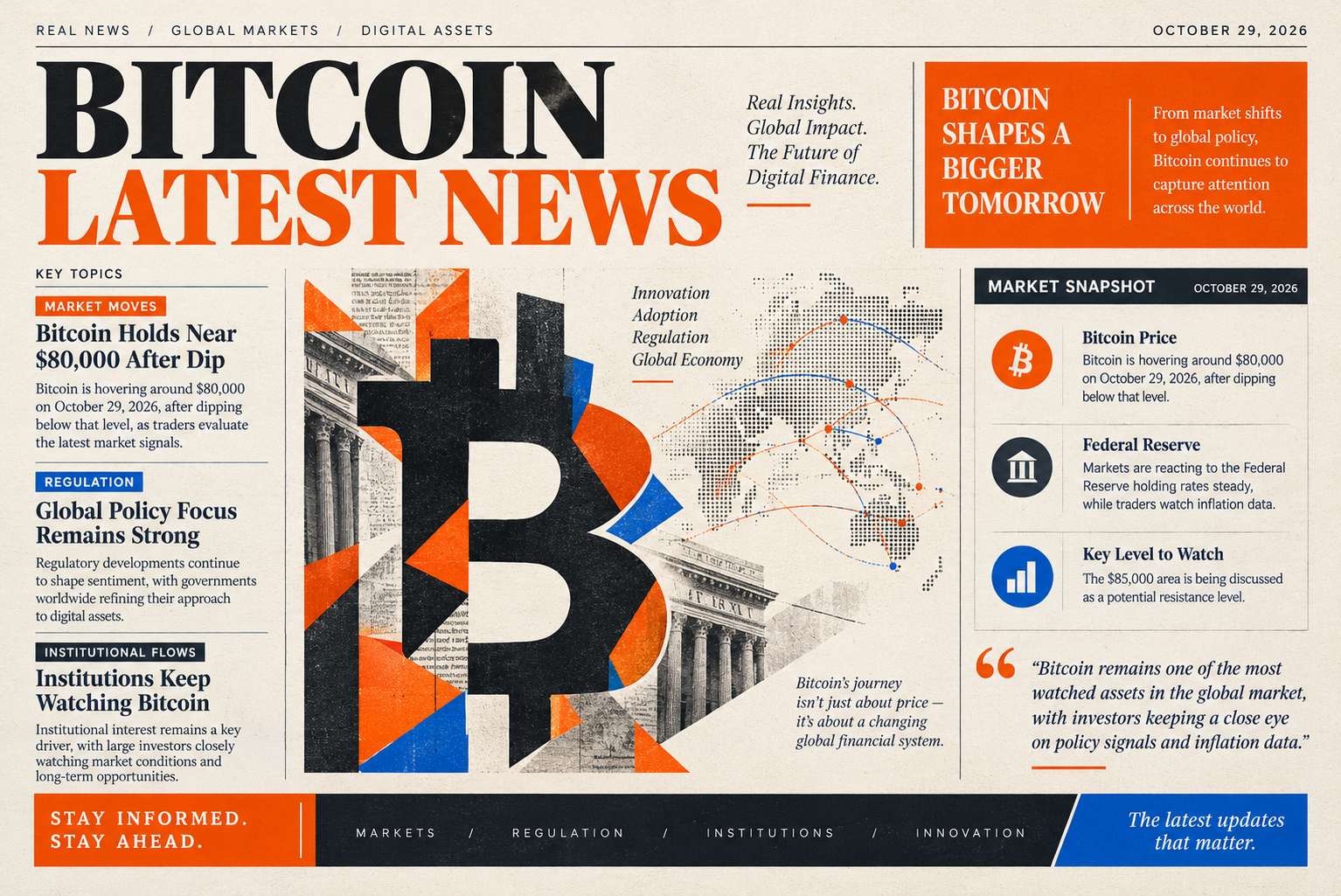
Blockchain technology continues to transform the digital economy by introducing decentralized networks, transparent transactions, and new ways to manage digital assets. As cryptocurrency adoption expands, developers are working to improve blockchain performance, security, scalability, and accessibility. Following Layer Blockchain News helps readers understand how blockchain networks evolve and how these developments may influence cryptocurrency markets, decentralized finance, and Web3 applications.
Blockchain networks are commonly discussed in terms of different architectural layers. Layer 1 blockchains provide the underlying infrastructure for transaction processing and consensus, while Layer 2 solutions are designed to improve scalability by processing transactions through systems connected to a Layer 1 network. Both approaches play important roles in the development of decentralized applications.
Recent blockchain innovation has focused on improving transaction speeds, reducing fees, expanding smart-contract functionality, and strengthening network security. These developments can affect crypto traders, investors, developers, businesses, and everyday users.
Understanding blockchain news requires more than following token prices. Readers should also consider network upgrades, developer activity, transaction growth, security improvements, and real-world adoption. These factors provide a broader perspective on the long-term development of blockchain technology.
What Is Blockchain Layer Technology?
Blockchain layer technology refers to the different components and systems used to operate, scale, and expand blockchain networks. Each layer can perform a specific function, from maintaining consensus to processing transactions and supporting decentralized applications.
What Is Layer 1 Blockchain?
Layer 1 is the base network responsible for its own consensus mechanism and core transaction processing. Examples include Bitcoin, Ethereum, and Solana, although these networks have different architectures and capabilities.
Layer 1 blockchains maintain transaction records and use mechanisms such as proof of work or proof of stake to secure their networks. Their performance depends on technical design, network demand, hardware requirements, and consensus rules.
Developments in Layer 1 blockchain technology can include protocol upgrades, improved transaction processing, changes to validator systems, and enhanced smart-contract capabilities.
What Is Layer 2 Blockchain?
Layer 2 networks operate on top of or alongside an underlying blockchain to improve transaction processing or reduce costs. Many Ethereum Layer 2 solutions use rollup technology to process transactions outside Ethereum’s main execution environment and submit data or proofs to the base network.
These solutions can support decentralized finance, NFT marketplaces, blockchain gaming, and other applications that benefit from lower transaction costs.
However, Layer 2 systems have different security assumptions and operating models. Users should research the specific network before transferring digital assets.
Latest Layer Blockchain News and Technology Trends
Blockchain Network Upgrades
Network upgrades are important developments in blockchain news because they can improve performance, security, and developer functionality. Depending on the network, an upgrade may change transaction processing, consensus mechanisms, data handling, or smart-contract execution.
Successful upgrades can make applications more efficient, but proposed improvements should not be confused with features that have already been deployed. Readers should verify upgrade announcements through official documentation and independent reporting.
Scalability and Transaction Speed
Scalability remains a major challenge for blockchain networks. As more users interact with decentralized applications, networks must handle additional transactions without making fees or hardware requirements excessively high.
Developers are exploring more efficient execution systems, improved data availability, Layer 2 networks, and other scaling approaches. The effectiveness of these technologies varies by blockchain and application.
Blockchain Security Developments
Security is another major topic in Layer Blockchain News. Developers regularly work to identify vulnerabilities, improve smart-contract verification, and strengthen the systems that protect user funds.
Users should also monitor reports involving bridge exploits, wallet security, validator risks, and compromised administrative keys. Even established blockchain networks cannot eliminate every application-level or operational risk.
Major Layer 1 Blockchain Networks to Watch
Bitcoin Blockchain
Bitcoin is a decentralized cryptocurrency network designed primarily for peer-to-peer value transfer and the maintenance of a public transaction ledger. Its security model relies on proof of work.
Bitcoin-related developments include protocol improvements, mining activity, transaction fees, and technologies designed to expand the range of applications built around its ecosystem.
Ethereum Blockchain
Ethereum supports smart contracts and decentralized applications, making it a major foundation for decentralized finance, NFTs, and blockchain infrastructure.
Its ecosystem continues to evolve through protocol development, Layer 2 adoption, and improvements to network efficiency. Ethereum news can be relevant to developers, investors, and users of decentralized applications.
Solana Blockchain
Solana is designed to support high-throughput transactions and decentralized applications. Its ecosystem includes decentralized exchanges, digital collectibles, gaming applications, and other Web3 services.
Readers following Solana news can examine network reliability, application growth, developer activity, transaction costs, and ecosystem security.
The Difference Between Layer 1 and Layer 2 Blockchains
Layer 1 and Layer 2 technologies serve related but different purposes. Layer 1 provides the underlying blockchain infrastructure, while Layer 2 systems seek to improve transaction capacity or usability through additional processing mechanisms.
Layer 1 Benefits and Challenges
Layer 1 networks provide the core consensus and settlement infrastructure. Their security and decentralization depend on their individual designs, validator or mining participation, and network rules.
However, some Layer 1 networks can experience congestion or higher transaction costs during periods of heavy demand.
Layer 2 Benefits and Challenges
Layer 2 networks can reduce costs and improve transaction throughput for supported applications. They may also help developers offer more responsive user experiences.
Nevertheless, users should consider bridge security, withdrawal times, sequencer operations, and the network’s connection to its underlying blockchain. Layer 2 does not automatically mean risk-free or fully decentralized.
Blockchain News and Decentralized Finance
Decentralized finance, also known as DeFi, uses blockchain-based applications to support activities such as token exchanges, lending, borrowing, and liquidity provision.
Blockchain infrastructure improvements can make these services more accessible by reducing transaction costs and improving application performance.
Decentralized Exchanges
Decentralized exchanges allow users to trade supported tokens through smart contracts rather than relying exclusively on a centralized exchange operator. Their performance depends on liquidity, trading fees, network costs, and the security of their contracts.
Blockchain Lending and Borrowing
DeFi lending protocols allow eligible users to supply digital assets or borrow against collateral. These systems can introduce risks involving price volatility, liquidation, smart-contract vulnerabilities, and insufficient liquidity.
Users should research a protocol’s rules and security history before interacting with it.
Blockchain Gaming, NFTs, and Web3 Adoption
Blockchain gaming and NFT applications represent additional areas of blockchain development. These applications may use digital tokens to represent collectibles, in-game assets, or other blockchain-based items.
NFT Marketplace Developments
NFT marketplaces allow users to buy, sell, and transfer supported digital collectibles. Blockchain records can help establish token ownership, but they do not guarantee that an asset has lasting market value or that its associated content will remain available.
Web3 Gaming Innovation
Web3 gaming combines conventional gaming experiences with blockchain-based features. Depending on the game, players may use digital wallets, trade eligible assets, or interact with token-based economies.
The long-term success of blockchain gaming depends on gameplay quality, security, and genuine user demand rather than token rewards alone.
Risks and Challenges in Blockchain Technology
Cryptocurrency Market Volatility
Cryptocurrency prices can fluctuate significantly, and technological progress does not guarantee that a token’s market price will increase.
Investors should evaluate the risks associated with individual assets and avoid treating blockchain news as a reliable prediction of future returns.
Smart-Contract Vulnerabilities
Smart contracts can contain software bugs that expose funds or disrupt applications. Security audits and testing can reduce some risks but cannot guarantee complete protection.
Regulatory Uncertainty
Blockchain and cryptocurrency regulations vary across jurisdictions. Businesses and users should follow applicable local laws, tax requirements, and platform restrictions.
How to Follow Reliable Layer Blockchain News

Readers can improve their understanding of blockchain developments by checking official project blogs, technical documentation, developer updates, security reports, and reputable independent news publications.
It is important to verify publication dates and distinguish confirmed network changes from proposals, rumors, and promotional claims. On-chain analytics can provide useful information about network activity, but transaction counts and wallet numbers should be interpreted carefully because they do not always represent genuine users.
For investors, technical progress should be considered alongside token supply, market liquidity, project governance, and the actual usefulness of the technology.
The Future of Layer Blockchain Technology
Blockchain development may increasingly focus on scalability, interoperability, privacy, security, and easier access to decentralized applications.
Layer 2 solutions could help support greater transaction activity, while Layer 1 upgrades may improve the underlying infrastructure. Developers are also exploring better cross-chain communication and simpler wallet experiences.
Artificial intelligence, tokenization of real-world assets, decentralized identity, and blockchain gaming may create additional use cases. However, the success of these applications will depend on practical benefits, regulatory clarity, and reliable implementation.
No particular blockchain technology is guaranteed to dominate the market. Networks that combine strong security, useful applications, active developers, and sustainable infrastructure may be better positioned for long-term adoption.
Conclusion: Why Layer Blockchain News Matters
Layer Blockchain News provides insight into the technological changes shaping cryptocurrency and decentralized applications. Layer 1 networks establish the underlying infrastructure, while Layer 2 systems can help improve scalability and reduce transaction costs.
Developments involving Bitcoin, Ethereum, Solana, rollups, DeFi, and Web3 applications demonstrate the diversity of the blockchain ecosystem. However, users must consider security risks, market volatility, regulatory requirements, and the difference between announced plans and completed upgrades.
By following reliable sources and examining real network activity, readers can better understand blockchain innovation without relying on speculation. The long-term value of blockchain technology will depend on its ability to deliver secure, useful, and accessible services.
Frequently Asked Questions About Layer Blockchain News
What Does Layer Blockchain News Mean?
Layer Blockchain News covers developments related to blockchain architecture, Layer 1 networks, Layer 2 scaling systems, protocol upgrades, security, and decentralized applications.
What Is the Difference Between Layer 1 and Layer 2?
Layer 1 is the underlying blockchain, while Layer 2 systems operate on top of or alongside a base network to improve transaction processing and scalability.
Which Layer 1 Blockchains Are Popular?
Bitcoin, Ethereum, and Solana are well-known Layer 1 networks with different purposes, consensus mechanisms, and application ecosystems.
Why Is Blockchain Scalability Important?
Scalability helps blockchain networks process growing transaction volumes while aiming to keep costs, delays, and infrastructure requirements manageable.
How Can I Follow the Latest Blockchain Developments?
Check official network announcements, technical documentation, Layer Blockchain News security reports, and reputable cryptocurrency news sources. Verify claims before making financial decisions.