
 Hassan malik
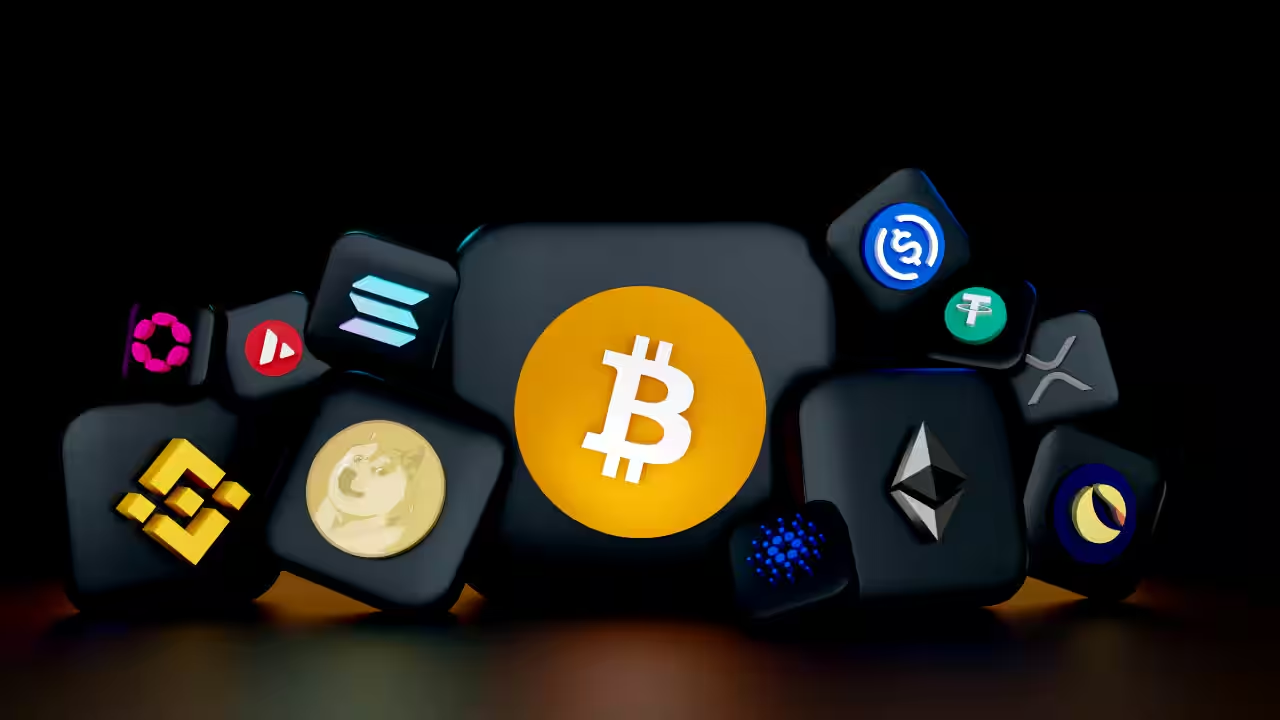
The cryptocurrency industry has developed far beyond buying and selling digital coins. Today, a wide range of Crypto Products supports different activities across the digital asset ecosystem, including trading, investing, payments, storage, decentralized finance, portfolio management, analytics, and blockchain applications. As cryptocurrency adoption continues to expand, understanding these products has become increasingly important for both beginners and experienced users.
Crypto Products can include cryptocurrency wallets, centralized and decentralized exchanges, portfolio trackers, blockchain analytics platforms, payment solutions, hardware wallets, trading software, decentralized finance applications, and other blockchain-based services. Each product is designed to solve a particular problem or provide a specific function within the crypto ecosystem.
For new users, the large number of available products can sometimes make the industry seem complicated. A person interested in cryptocurrency may need one product for storing assets, another for trading, another for tracking prices, and additional tools for researching projects. Understanding how these products work can make the overall crypto experience easier to navigate.
This guide explores the major categories of Crypto Products, their purposes, important features, security considerations, and their role in the rapidly developing digital asset market.
What Are Crypto Products?
Crypto Products are digital tools, platforms, applications, and services designed to interact with cryptocurrencies and blockchain networks.
These products can serve many different purposes. A crypto wallet allows users to manage private keys and interact with blockchain assets. An exchange provides a marketplace for buying and selling cryptocurrencies. Portfolio-management software helps users monitor their holdings, while blockchain analytics platforms provide information about transactions and network activity.
Some Crypto Products are centralized, meaning a company manages important parts of the service. Others are decentralized and operate through blockchain-based smart contracts.
The right product depends on what a user wants to accomplish. Someone who simply wants to hold Bitcoin may need a different set of tools from an active trader or a decentralized-finance user.
Why Crypto Products Matter

The growth of cryptocurrency has created demand for products that make blockchain technology easier to use.
Early cryptocurrency systems required significant technical knowledge. Users often needed to understand blockchain addresses, private keys, transaction fees, and network confirmations before they could interact with digital assets.
Modern Crypto Products have simplified many of these processes.
Wallet applications provide user-friendly interfaces, exchanges make cryptocurrency trading accessible, and portfolio tools can automatically organize information about different assets.
The development of these products is also helping blockchain technology expand into areas such as payments, financial services, gaming, tokenization, and digital ownership.
Cryptocurrency Wallets
Crypto wallets are among the most important products in the digital asset ecosystem.
A wallet allows users to manage their blockchain addresses and interact with cryptocurrency networks. Depending on the wallet design, users may be able to send, receive, swap, stake, or interact with decentralized applications.
It is important to understand that a cryptocurrency wallet does not necessarily store coins in the same way a physical wallet stores cash. Blockchain assets remain recorded on the network, while the wallet manages the cryptographic information required to access and control them.
Wallet security is therefore extremely important.
Hot Wallets
Hot wallets are cryptocurrency wallets connected to the internet.
They are commonly available as mobile applications, browser extensions, and desktop applications.
Hot wallets can be convenient for frequent transactions and interactions with decentralized applications.
However, internet-connected wallets can face cybersecurity risks. Users should carefully protect recovery phrases, private keys, passwords, and authentication credentials.
Hardware Wallets
Hardware wallets are physical devices designed to provide an additional layer of protection for cryptocurrency private keys.
They are often used by people who want to keep significant digital assets away from continuously connected devices.
Hardware wallets can provide stronger security when properly configured and maintained.
However, users still need to protect their recovery phrase. Losing or exposing a recovery phrase can create serious security consequences regardless of the wallet type.
Cryptocurrency Exchanges
Crypto exchanges are platforms that allow users to buy, sell, and trade digital assets.
Centralized exchanges generally operate through companies that provide trading infrastructure, account management, liquidity, and other services.
Users may be able to trade Bitcoin, Ethereum, stablecoins, and numerous altcoins depending on the platform.
Exchange features can include spot trading, advanced orders, recurring purchases, derivatives, staking, and other services.
Users should evaluate security practices, fees, supported assets, withdrawal policies, and regulatory availability before using an exchange.
Decentralized Exchanges
Decentralized exchanges, often called DEXs, allow users to trade digital assets through blockchain-based smart contracts.
Unlike traditional centralized exchanges, decentralized exchanges can allow users to interact directly with blockchain protocols using compatible wallets.
Many DEXs use automated market makers and liquidity pools instead of conventional order books.
DEXs have become an important part of the DeFi ecosystem, although users should understand smart-contract risks, network fees, liquidity conditions, and token risks before interacting with these platforms.
Crypto Trading Platforms
Crypto trading platforms provide tools designed for active cryptocurrency traders.
These platforms can offer advanced charts, technical indicators, order types, trading pairs, market data, and portfolio information.
Professional traders may use features such as limit orders, stop orders, charting systems, trading APIs, and automated strategies.
However, advanced trading features can also increase complexity.
Leverage-based products can significantly increase both potential gains and losses, making risk management particularly important.
Crypto Portfolio Trackers
Crypto portfolio trackers help users monitor their cryptocurrency holdings.
A portfolio tracker can combine information about Bitcoin, Ethereum, altcoins, stablecoins, and other assets in one interface.
Some platforms can calculate portfolio performance, allocation percentages, historical returns, and transaction activity.
For users holding assets across multiple wallets or exchanges, portfolio-management tools can make it easier to understand their overall exposure.
Crypto Price Tracking Tools
Crypto price tools provide real-time or near-real-time information about cryptocurrency markets.
Users can monitor Bitcoin price, Ethereum price, altcoin prices, trading volume, market capitalization, and percentage changes.
Price tracking platforms may also provide historical charts and market rankings.
However, users should understand that cryptocurrency prices can differ slightly between exchanges because of liquidity, trading activity, and market conditions.
Crypto Market Data Products
Crypto market data is essential for research and trading.
Market-data platforms can provide information about prices, market capitalization, trading volume, circulating supply, fully diluted valuation, historical performance, and trading pairs.
More advanced data services may provide derivatives information, order-book statistics, funding rates, open interest, and on-chain metrics.
Reliable data can help users make more informed research decisions.
Crypto Research Tools
Crypto research tools help users investigate digital assets before making decisions.
Research can include project information, tokenomics, development activity, blockchain usage, market statistics, governance, and ecosystem growth.
Research platforms can also help users compare different cryptocurrencies.
However, no research platform can eliminate the risks associated with cryptocurrency markets. Information should be verified through multiple reliable sources whenever possible.
Blockchain Explorers
Blockchain explorers allow users to inspect publicly available blockchain information.
Depending on the network, an explorer can show wallet addresses, transactions, block confirmations, token transfers, network fees, and other details.
Blockchain explorers are particularly useful for verifying whether a transaction has been processed.
They can also help users understand how blockchain networks operate by providing a transparent view of on-chain activity.
Crypto Payment Products
Crypto payment products are designed to allow digital assets to be used for payments.
Businesses and individuals can use blockchain-based payment systems to send and receive digital assets across supported networks.
Stablecoins can be particularly relevant for payments because they are designed to reduce price volatility compared with cryptocurrencies such as Bitcoin.
Payment infrastructure is an important area of cryptocurrency development because it connects digital assets with everyday financial activity.
Crypto Debit and Payment Cards
Some financial technology companies provide cards that allow users to spend digital assets through supported payment networks.
Depending on the product, cryptocurrency may be converted into a traditional currency when a transaction occurs.
These products can make digital assets more accessible for everyday spending.
However, users should review fees, conversion rates, geographic availability, supported assets, and applicable terms before using a crypto payment card.
DeFi Products
DeFi products provide decentralized financial services through blockchain-based protocols.
Decentralized finance can include lending, borrowing, decentralized exchanges, liquidity provision, derivatives, staking, and other financial applications.
One of the major characteristics of DeFi is that users can interact directly with smart contracts rather than relying entirely on traditional financial intermediaries.
However, DeFi products can involve smart-contract vulnerabilities, liquidity risks, market volatility, and other technical risks.
Crypto Lending Platforms
Crypto lending platforms allow users to lend or borrow digital assets through centralized or decentralized systems.
Lenders may receive interest or other returns, while borrowers provide collateral or meet platform-specific requirements.
Decentralized lending protocols typically use smart contracts to manage collateral and borrowing conditions.
Because cryptocurrency prices can move rapidly, liquidation risk is an important consideration for borrowers using collateralized lending products.
Staking Products
Crypto staking allows users to participate in proof-of-stake blockchain networks by committing eligible assets according to the network’s rules.
Depending on the protocol, staking can help support network security and consensus while participants may receive rewards.
Different staking products have different lock-up periods, fees, withdrawal conditions, and risks.
Users should understand the underlying blockchain and staking mechanism before committing assets.
Crypto Security Products
Security is one of the most important areas of the cryptocurrency industry.
Crypto security products can include hardware wallets, authentication tools, transaction-monitoring systems, custody solutions, and security software.
Users should also practice basic security measures such as using strong unique passwords, enabling multi-factor authentication, avoiding suspicious links, and protecting recovery phrases.
No security product can completely eliminate user error, so education remains an important part of cryptocurrency security.
Crypto Tax and Accounting Products

As cryptocurrency adoption has increased, crypto tax tools have become increasingly important.
These products can help users organize transaction histories, calculate gains and losses, categorize transactions, and prepare information for tax reporting.
The tax treatment of cryptocurrency differs between jurisdictions.
Users should therefore consult applicable local tax rules or qualified professionals rather than assuming that one country’s treatment applies everywhere.
Crypto Analytics Platforms
Crypto analytics platforms provide data that can help users understand market behavior.
Advanced analytics can include whale transactions, exchange flows, wallet activity, token movements, derivatives data, and network statistics.
These tools can provide additional context beyond traditional price charts.
However, large wallet movements do not automatically indicate future price direction. Data should be interpreted within a broader market framework.
On-Chain Analytics Products
On-chain analytics focuses specifically on blockchain data.
Users can examine active addresses, transaction volume, token transfers, exchange balances, network fees, and other metrics depending on the blockchain.
On-chain data can provide information that is not available through traditional financial-market analysis.
For example, analysts can study how tokens move between wallets and exchanges.
NFT Products
NFT products support the creation, trading, management, and display of non-fungible tokens.
NFT marketplaces allow users to discover and trade digital collectibles and other blockchain-based assets.
NFT ecosystems can include art, gaming assets, memberships, virtual items, and digital collectibles.
Like other cryptocurrency markets, NFT markets can be highly speculative and volatile.
Crypto Gaming Products
Blockchain gaming products combine gaming experiences with blockchain-based assets.
Depending on the game, users may interact with NFTs, cryptocurrencies, digital marketplaces, or token-based reward systems.
The sector continues to develop as developers experiment with different models for digital ownership.
The long-term success of blockchain gaming depends on factors such as gameplay quality, user adoption, sustainable economics, and technology.
Crypto Products and Artificial Intelligence
Artificial intelligence is becoming increasingly connected with blockchain technology.
New AI crypto products can involve decentralized computing, data marketplaces, AI agents, decentralized infrastructure, and automated blockchain applications.
AI-related cryptocurrency projects can attract significant market attention, but users should distinguish between genuine technological utility and marketing narratives.
Research into the underlying product, technology, tokenomics, and development activity remains important.
Stablecoin Products
Stablecoins are digital assets designed to maintain relatively stable values against a reference asset, commonly a fiat currency.
They play an important role in cryptocurrency trading, payments, DeFi, and liquidity management.
Stablecoin products can make it easier for users to move value within blockchain ecosystems without directly exposing every transaction to the price volatility of assets such as Bitcoin.
However, different stablecoins have different structures and risks.
Crypto Products for Beginners
Beginners do not necessarily need dozens of cryptocurrency products.
A new user may initially focus on understanding a secure wallet, a reputable exchange or purchasing method, basic market-data tools, and fundamental security practices.
As knowledge develops, additional products such as portfolio trackers, blockchain explorers, research platforms, and technical-analysis tools can become useful.
The key is understanding how each product works before committing funds or connecting a wallet.
Choosing Crypto Products
When evaluating Crypto Products, users can consider security, reputation, transparency, fees, supported assets, liquidity, user experience, customer support, and availability in their jurisdiction.
For decentralized applications, smart-contract security and protocol activity can also be relevant.
Users should avoid choosing products solely because of aggressive advertising or promises of unusually high returns.
A product’s purpose and risk profile should be understood before use.
Crypto Products and Regulation
Regulation is an increasingly important part of the cryptocurrency industry.
Different countries have different rules regarding exchanges, digital assets, taxation, custody, stablecoins, and financial services.
A Crypto Product that is available in one country may not be available in another.
Users should verify whether a platform is legally available in their jurisdiction and review its current terms and compliance information.
The Future of Crypto Products
The cryptocurrency industry continues to evolve rapidly.
Future Crypto Products may combine blockchain technology with artificial intelligence, traditional financial services, tokenized assets, digital identity, payments, gaming, and decentralized applications.
Institutional participation may also contribute to the development of professional custody, trading, analytics, and compliance infrastructure.
As the ecosystem matures, usability and security are likely to remain important areas of development.
Conclusion
Crypto Products have become an essential part of the digital asset ecosystem. From wallets and exchanges to DeFi platforms, portfolio trackers, blockchain explorers, analytics tools, payment services, and security solutions, these products make cryptocurrency technology more accessible to different types of users.
Each category serves a different purpose. Wallets focus on asset management and blockchain access, exchanges facilitate trading, analytics platforms provide market information, and DeFi applications offer decentralized financial services.
For beginners, understanding the purpose and risks of each product is more important than using a large number of platforms. Security, transparency, fees, liquidity, availability, and regulatory considerations should all be reviewed before using a crypto service.
As blockchain adoption continues to develop, Crypto Products are likely to become increasingly integrated with financial technology, payments, artificial intelligence, gaming, and other digital services. Careful research and responsible risk management remain essential as users explore this rapidly changing industry.
Frequently Asked Questions
What are Crypto Products?
Crypto Products are platforms, applications, tools, and services designed to support cryptocurrency and blockchain activities such as trading, storage, payments, DeFi, analytics, and portfolio management.
What are the most common Crypto Products?
Common categories include cryptocurrency wallets, exchanges, portfolio trackers, blockchain explorers, trading platforms, DeFi applications, analytics tools, payment products, and security solutions.
What Crypto Products are useful for beginners?
Beginners can start by learning about secure wallets, reputable cryptocurrency platforms, basic market-data services, and essential security tools before exploring more advanced products.
Are Crypto Products safe?
Safety depends on the specific product, its security practices, smart contracts, custody model, and how users interact with it. No product completely eliminates cryptocurrency-related risks.
What are DeFi Crypto Products?
DeFi Crypto Products use blockchain technology and smart contracts to provide financial services such as decentralized trading, lending, borrowing, staking, and liquidity provision.
Why are crypto wallets important?
Crypto wallets allow users to manage blockchain addresses and Crypto Products interact with digital assets. Protecting private keys and recovery phrases is essential for wallet security.