
 Hassan malik
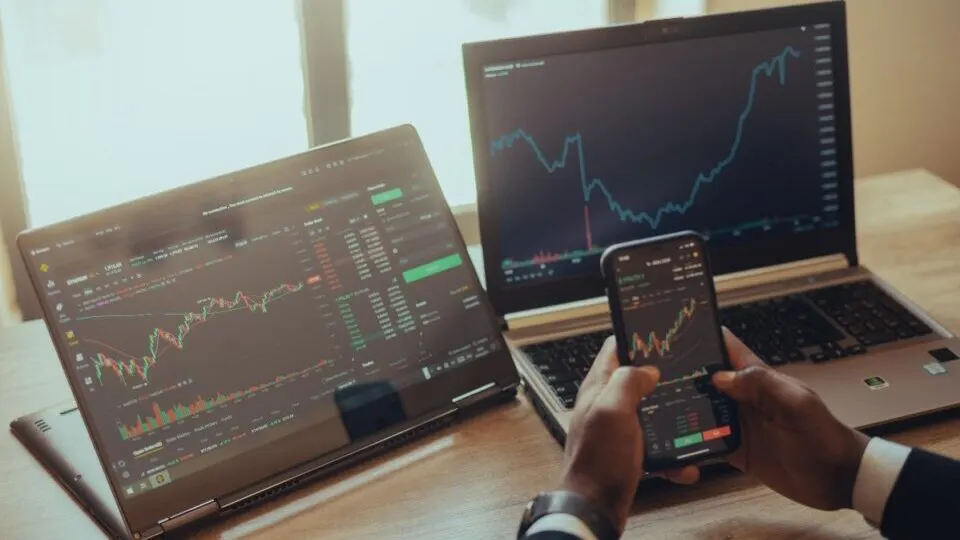
Trading has changed dramatically with the growth of digital technology. Investors no Trading Platforms longer need to rely entirely on traditional brokers or visit financial institutions to place orders. Today, trading platforms give individuals access to financial markets through computers, tablets, and smartphones. From checking market prices to analyzing charts and placing orders, modern platforms bring many essential trading tools together in one digital environment.
However, choosing between different trading platforms can be challenging, especially for beginners. Every platform may offer different features, fees, markets, charting tools, order types, educational resources, and security measures. A platform that works well for an experienced trader may not necessarily be suitable for someone who is learning the basics of investing.
The right platform should match your trading goals, experience level, preferred financial markets, and risk tolerance. Whether you are interested in stocks, forex, cryptocurrencies, commodities, indices, or other financial instruments, understanding how trading platforms work can help you make a more informed decision.
This guide explores the major features of modern trading platforms, explains what traders should consider before choosing one, and discusses how technology is changing the online trading experience.
What Are Trading Platforms?
Trading platforms are software applications or online systems that allow users to access financial markets and manage trades. Depending on the provider, a platform can provide market data, interactive charts, technical indicators, news, research tools, portfolio information, and order execution capabilities.
A trading platform essentially acts as the interface between a trader and the financial markets. Instead of communicating with a broker through traditional methods, users can typically enter and manage orders directly through the platform.
How Trading Platforms Work
When a trader decides to buy or sell an asset, the platform sends the relevant order through the brokerage or market infrastructure responsible for execution. The platform then displays information about the order, such as its status, price, quantity, and execution details.
Modern platforms may also provide real-time market data, customizable charts, watchlists, alerts, and analytical tools. Some advanced systems support automated strategies, algorithmic trading, and sophisticated portfolio analysis.
The exact services available depend on the provider and the markets it supports. Therefore, traders should carefully examine a platform’s features before opening an account.
Why Trading Platforms Are Important
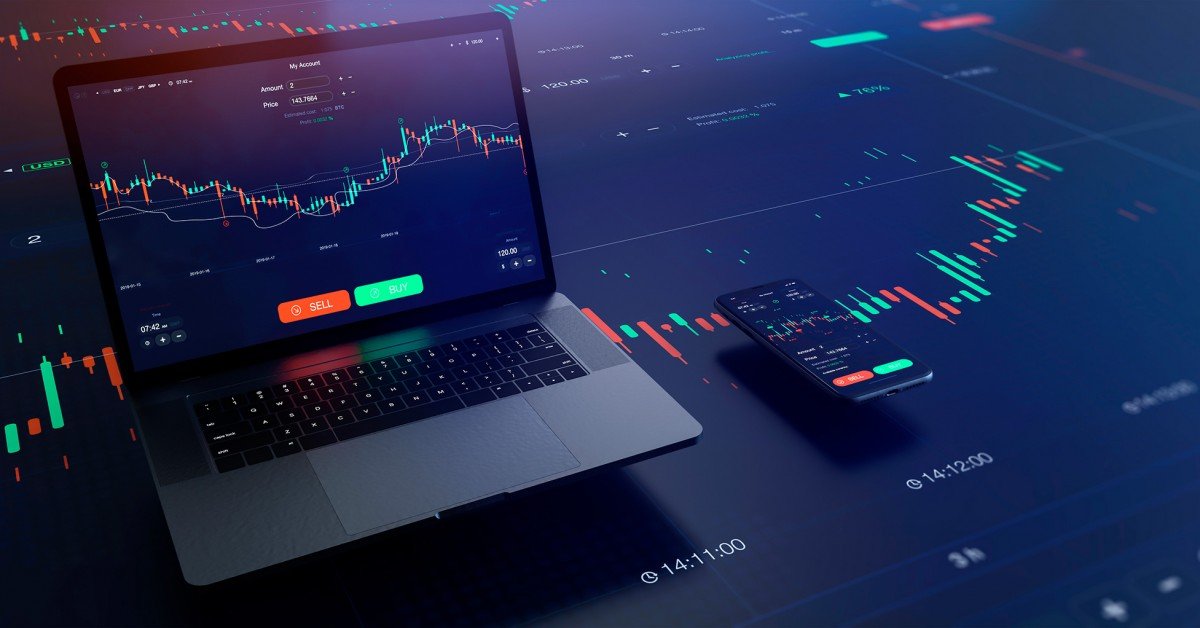
The development of online trading has made financial markets more accessible to individual investors. Instead of depending entirely on traditional communication methods, users can monitor markets and manage their portfolios through digital interfaces.
One important advantage of modern trading platforms is convenience. Traders can often access their accounts from multiple devices, allowing them to monitor positions and market movements without being tied to a particular location.
Another important benefit is access to information. Platforms can combine market analysis, price charts, economic news, financial data, and account information in one place. This can make it easier for traders to research opportunities and understand market conditions.
Nevertheless, convenience does not eliminate risk. Markets can move quickly, and having easy access to trading does not guarantee successful results. A platform is a tool, and the quality of a trading decision ultimately depends on the trader’s knowledge, strategy, and risk management.
Types of Trading Platforms
Not all trading platforms are designed for the same purpose. Different platforms focus on different markets, experience levels, and trading styles.
Stock Trading Platforms
Stock trading platforms allow users to buy and sell shares of publicly traded companies where supported by the broker and applicable market rules. These platforms commonly include stock screeners, price charts, company information, news, and portfolio tracking.
Investors interested in long-term portfolios may prioritize research capabilities and straightforward portfolio management, while active traders may place greater importance on charting, order execution, and advanced market data.
Forex Trading Platforms
Forex trading platforms are designed for currency trading. The foreign exchange market operates across global financial centers, making currency prices move in response to economic data, interest rates, geopolitical developments, and market sentiment.
Forex-focused platforms often provide currency charts, technical indicators, economic calendars, and different order types. Traders should understand leverage and currency-market risks before using such platforms.
Cryptocurrency Trading Platforms
Cryptocurrency trading platforms provide access to digital assets where available. Depending on the provider and jurisdiction, users may find cryptocurrencies, stablecoins, trading pairs, market charts, and portfolio-management features.
Because cryptocurrency markets can experience significant price fluctuations, users should pay close attention to platform security, custody arrangements, fees, and applicable regulations.
Multi-Asset Trading Platforms
Some multi-asset trading platforms provide access to several categories of financial instruments from one account. Depending on the provider, these may include stocks, ETFs, forex, commodities, indices, and other products.
Multi-asset platforms can be convenient for people who want to manage different types of investments through a single interface. However, traders should still examine the specific products, costs, and market access available in their country.
Key Features to Look for in Trading Platforms
Selecting a trading platform involves more than looking at its appearance. The most important features relate to usability, market access, pricing, research, security, and order execution.
User-Friendly Interface
A clean and intuitive interface can make a significant difference. Beginners may find complicated dashboards overwhelming, while experienced traders may require more advanced customization.
A good interface should make essential information easy to locate. Charts, account balances, open positions, watchlists, and order functions should be presented clearly without unnecessary complexity.
Advanced Charting Tools
Technical analysis tools are an important component of many trading platforms. Charts allow traders to study historical and current price movements while applying indicators and drawing tools.
Common features include moving averages, trendlines, volume indicators, momentum indicators, and multiple chart timeframes. Advanced platforms may also allow users to create custom indicators or trading layouts.
Order Types
Different trading strategies may require different order types. Depending on the platform, traders may have access to market orders, limit orders, stop orders, and other order-management tools.
Understanding how each order works is essential before using it with real money. The availability and exact behavior of order types can vary between markets and brokers.
Mobile Trading
Mobile applications have become an important part of the modern trading experience. A reliable mobile trading app can allow users to monitor markets, review positions, receive alerts, and manage accounts while away from a desktop computer.
However, mobile convenience should not be confused with lower risk. The ability to trade quickly can encourage impulsive decisions, so traders should maintain a clear strategy and risk-management process.
Trading Platform Fees and Costs
Cost is one of the most important factors when comparing trading platforms. A platform may advertise low or zero commissions while generating revenue through other charges or pricing structures.
Commissions and Spreads
Some brokers charge explicit trading commissions, while others may incorporate costs into spreads or other pricing mechanisms. A trader should understand the complete cost structure rather than focusing on a single advertised fee.
For frequent traders, even relatively small differences in trading costs can become significant over time. For long-term investors, other expenses may have greater importance.
Account and Withdrawal Fees
Additional costs can include account-related charges, currency conversion fees, withdrawal fees, inactivity fees, or other service expenses. These vary considerably between providers.
Reading the complete fee schedule before opening an account can prevent unpleasant surprises later.
Security and Regulation
Security should be a central consideration when selecting trading platforms. Users provide sensitive financial and personal information when opening brokerage or trading accounts, so platform security matters.
Account Protection
Reliable providers generally use security measures designed to protect customer accounts and information. Depending on the provider, these may include encryption, multi-factor authentication, device verification, and transaction monitoring.
Users should also take responsibility for account security by using strong passwords, enabling available security features, and avoiding suspicious links or unauthorized applications.
Regulatory Considerations
Financial regulation is another important factor. Traders should research the company operating the platform and determine which regulatory authorities oversee its services in the relevant jurisdiction.
Regulation does not eliminate investment risk, but understanding the legal and regulatory framework can help users identify who operates the service and what protections may apply.
How to Choose the Best Trading Platform for Your Needs
There is no single trading platform that is universally suitable for every trader. The right choice depends on individual circumstances.
Consider Your Trading Goals
Start by identifying what you want to trade and why. Someone interested primarily in long-term stock investing may need different tools from an active forex or cryptocurrency trader.
Your investment goals, preferred markets, trading frequency, and experience level should guide your comparison.
Compare Market Access
A platform may provide access to thousands of financial instruments, while another may specialize in a smaller selection. Always check whether the markets and assets you are interested in are actually available in your jurisdiction.
Market access can be especially important for traders who want to diversify across stocks, ETFs, currencies, commodities, or digital assets.
Evaluate Research and Education
Quality trading education can be valuable for beginners. Some platforms provide tutorials, market commentary, webinars, economic calendars, or educational articles.
These resources can help users understand financial markets, although educational material should not automatically be treated as personalized financial advice.
Trading Platforms for Beginners
Beginners often need simplicity more than an overwhelming collection of advanced tools. A suitable beginner platform should make it easy to understand account balances, market prices, order types, and portfolio performance.
New traders should spend time learning how orders work before placing significant trades. Many platforms offer demo or simulated environments where available, allowing users to become familiar with the interface without immediately committing real funds.
Understanding risk management, diversification, position sizing, and basic market terminology is also important. A sophisticated platform cannot replace fundamental trading knowledge.
Trading Platforms for Experienced Traders
Experienced traders may have different priorities. They may look for advanced charting, faster workflows, customizable layouts, detailed market data, multiple order types, and automation capabilities.
Some professional-oriented trading platforms support algorithmic strategies, APIs, advanced screening, and specialized analytical tools. These features can be useful for traders with established strategies and technical knowledge.
However, more features do not necessarily mean better results. Traders should select tools that genuinely support their strategy instead of choosing a platform simply because it has the largest number of features.
The Role of Technology in Modern Trading
Technology continues to reshape the trading industry. Cloud-based platforms, mobile applications, artificial intelligence, automation, and improved data infrastructure have changed how traders interact with markets.
Artificial Intelligence and Trading
Artificial intelligence in trading is becoming increasingly visible through tools that assist with data analysis, pattern recognition, research, and automation. AI-powered systems can process large amounts of information quickly, but they are not guaranteed to predict market movements accurately.
Traders should understand the limitations of automated and AI-based tools. Market conditions can change rapidly, and historical patterns do not guarantee future performance.
Automated Trading
Algorithmic trading allows predefined rules to execute trades automatically when specific conditions are met. This can reduce certain emotional reactions and improve consistency, but automated strategies can also produce losses when their assumptions fail.
Automation should therefore be treated as a tool rather than a replacement for risk management and strategy development.
Common Mistakes When Choosing Trading Platforms
One common mistake is selecting a platform based solely on advertisements or promotional offers. Attractive pricing does not necessarily mean that a platform is suitable for a particular trading style.
Another mistake is ignoring the fee structure. Traders should understand commissions, spreads, conversion charges, and other potential costs before depositing funds.
Security is another area that should never be overlooked. Users should research the company behind a platform and understand its regulatory status rather than choosing solely because an application looks modern.
Finally, traders should avoid selecting a platform with more complexity than they need. The best interface for one trader may be unnecessarily complicated for another.
The Future of Trading Platforms
The future of trading platforms will likely involve deeper integration of automation, artificial intelligence, mobile technology, data analytics, and personalized interfaces.
As technology develops, platforms may increasingly provide tools that help users organize financial information and analyze markets more efficiently. At the same time, regulators and financial institutions will continue addressing issues involving cybersecurity, consumer protection, digital assets, and automated trading.
The central purpose of these developments remains the same: giving market participants efficient tools for accessing and analyzing financial markets.
Conclusion
Trading platforms have become an essential part of modern financial markets, providing individuals with digital access to trading tools, market information, research, charts, and portfolio-management features. From stock and forex platforms to cryptocurrency and multi-asset solutions, there are many options available for different types of users.
Choosing a platform should involve more than comparing promotional offers. Traders should examine market access, trading fees, security, regulation, charting tools, mobile functionality, order types, and overall usability. Beginners may prioritize simplicity and education, while experienced traders may require advanced analytical and execution features.
Most importantly, a trading platform is only a tool. It can make market access more convenient, but it cannot remove financial risk or guarantee successful trades. A thoughtful approach combines a suitable platform with financial knowledge, realistic expectations, disciplined risk management, and careful research.
As digital finance continues to evolve, trading platforms will likely become Trading Platforms even more sophisticated. Understanding how they work today can help traders make more informed decisions when comparing services and building a trading environment that matches their individual goals.