
 Hassan malik
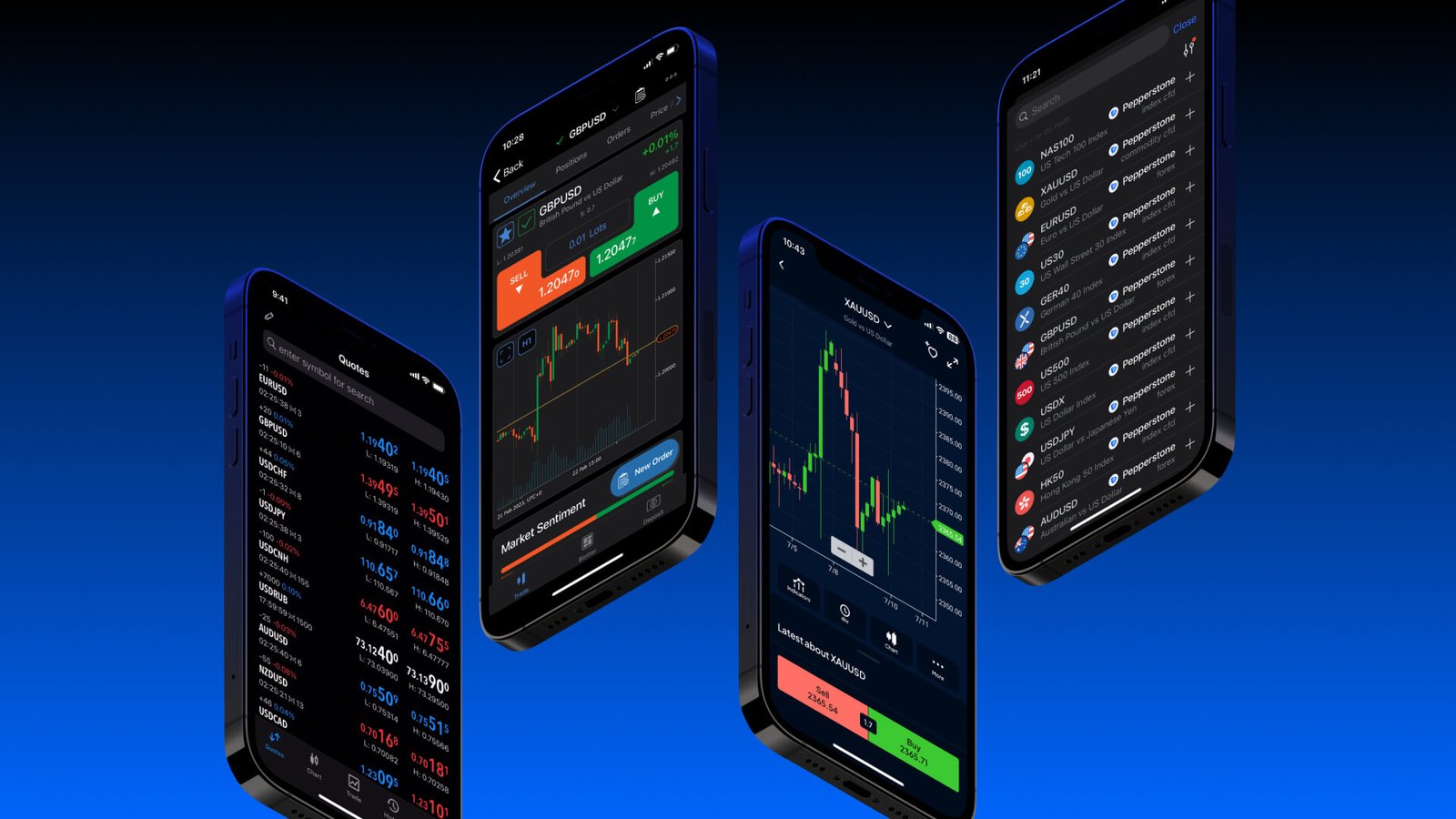
Trading Platforms are a fundamental part of the cryptocurrency Trading Platforms market. They connect users with digital-asset markets and provide the infrastructure needed to buy, sell, exchange, and manage cryptocurrencies such as Bitcoin, Ethereum, stablecoins, and altcoins. For newcomers, however, understanding the differences between exchanges, decentralized markets, wallets, fees, and trading tools can be confusing.
A modern crypto trading platform can offer much more than a simple interface for buying Bitcoin. Depending on the service, users may have access to spot trading, advanced charts, market and limit orders, derivatives, staking, portfolio management, API tools, peer-to-peer markets, and decentralized applications.
The two major models are centralized exchanges (CEXs) and decentralized exchanges (DEXs). A centralized exchange is operated by a company that generally manages accounts, trading infrastructure, and custody. A decentralized exchange uses blockchain-based smart contracts and generally allows users to trade directly from their own wallets.
Neither model eliminates risk. Centralized platforms involve custody and counterparty considerations, while decentralized platforms place more responsibility on users for wallet security, smart contracts, transaction approvals, and blockchain fees.
This guide explains how Trading Platforms work, the differences between CEXs and DEXs, trading fees, liquidity, order types, security, wallets, derivatives, DeFi, and the major factors users should understand before using a crypto trading platform.
What Are Trading Platforms?
A trading platform is a digital service that allows users to interact with a financial market. In cryptocurrency, these platforms provide access to markets where users can exchange one digital asset for another or, on some centralized platforms, use fiat currency to purchase cryptocurrency.
Centralized exchanges typically maintain an internal order book. When a user places a buy or sell order, the platform’s matching system attempts to find a corresponding order from another market participant. The exchange generally records the resulting balance internally until the user deposits or withdraws assets.
Decentralized exchanges work differently. They can use smart contracts, automated market makers, liquidity pools, on-chain order books, or aggregation systems. Instead of depositing assets into a company-controlled account, users generally connect a self-custody wallet and approve blockchain transactions.
The fundamental difference is therefore not simply the appearance of the website. It is the underlying system that controls assets, executes trades, and settles transactions.
Centralized Trading Platforms
How CEX Platforms Work
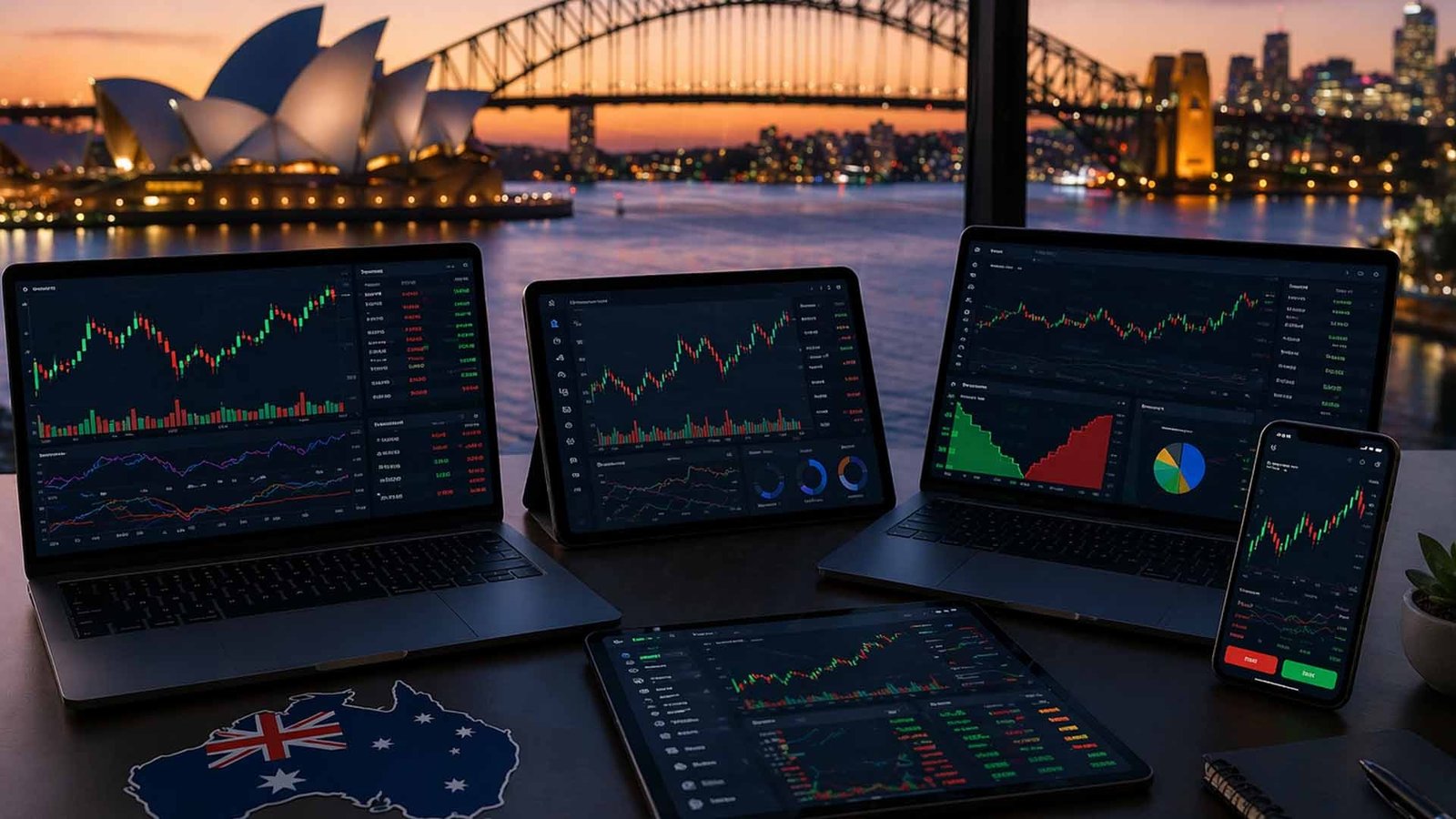
A centralized exchange, commonly called a CEX, is operated by a company or organization that acts as an intermediary between buyers and sellers.
Users normally create an account, complete identity verification where required, deposit funds, and access available trading markets. The platform manages the infrastructure behind the account, including order matching, balances, deposits, withdrawals, and other services.
Centralized platforms are generally designed to provide a familiar experience. Binance’s current educational material describes CEXs as company-operated platforms that manage user accounts, custody funds, and order books.
This model can make crypto more accessible to beginners because users do not need to understand blockchain transactions before making their first trade.
Features of Centralized Exchanges
Centralized crypto exchanges often provide spot markets for major cryptocurrencies. Depending on the platform and jurisdiction, they may also provide futures, margin trading, staking, recurring purchases, lending-related products, portfolio tools, and other services.
Another important feature is fiat access. Centralized platforms can provide systems for converting traditional currencies into cryptocurrencies and vice versa.
CEXs may also offer customer support and account recovery options. These features can be useful when a user loses access to an account or encounters a technical problem.
However, convenience comes with a custody trade-off. When assets remain on a custodial exchange, the user generally does not directly control the private keys associated with those assets.
Decentralized Trading Platforms
How DEXs Work
A decentralized exchange, or DEX, is a blockchain-based trading system that allows users to interact with decentralized liquidity through smart contracts.
Instead of opening a conventional exchange account, a user generally connects a compatible self-custody wallet. The user then signs a blockchain transaction that authorizes the swap or trade.
DEXs can use different technologies. Some use automated market makers and liquidity pools, while others use on-chain order books or aggregators that route trades across different sources.
Binance’s 2026 explanation notes that DEXs allow users to trade from their own wallets without handing custody of their funds to a centralized exchange.
Benefits and Responsibilities of DEXs
DEXs provide a different type of control because users normally retain custody of their assets. They can also provide access to decentralized finance and tokens that may not be available on centralized exchanges.
However, self-custody requires greater responsibility. Users need to protect private keys and recovery phrases, understand network fees, verify token contracts, and carefully review transaction approvals.
A confirmed blockchain transaction is generally not reversible simply because the user made a mistake. Smart-contract vulnerabilities and malicious tokens can also create risks.
Therefore, decentralized trading can provide greater direct control while simultaneously requiring greater technical awareness.
CEX vs DEX: Understanding the Difference
The difference between centralized and decentralized Trading Platforms can be summarized through custody, execution, accessibility, and responsibility.
A CEX generally holds user assets and operates the trading infrastructure. A DEX generally allows users to keep assets in their own wallets while smart contracts facilitate trades.
CEXs commonly provide easier fiat access, customer support, account recovery, and a familiar interface. DEXs provide direct on-chain access and self-custody but can require more technical knowledge.
The two models can also be used together. A user may purchase cryptocurrency through a centralized exchange and then transfer it to a self-custody wallet for decentralized applications.
This hybrid approach demonstrates that CEXs and DEXs do not necessarily have to be viewed as competing systems. They can serve different purposes within the same crypto journey.
Understanding Trading Liquidity
Liquidity is one of the most important concepts when evaluating Trading Platforms.
Liquidity describes how easily an asset can be bought or sold without causing a large change in its price. A highly liquid market generally has substantial buying and selling activity.
When liquidity is low, a large order can move the price significantly. This is known as price impact.
Liquidity also affects the spread between the price a buyer is willing to pay and the price a seller is willing to accept.
Major cryptocurrency markets generally have deeper liquidity than small altcoin markets. However, liquidity can vary significantly between platforms and trading pairs.
For traders, examining trading volume, order-book depth, spreads, and expected price impact can provide a more complete picture than simply looking at a platform’s number of listed cryptocurrencies.
Trading Fees Explained
Trading fees are another major factor when comparing crypto trading platforms.
Centralized exchanges may charge maker and taker fees. A maker typically adds liquidity to an order book, while a taker executes against an existing order.
Platforms can also charge withdrawal fees or other transaction-related costs.
DEXs have a different cost structure. Users may pay swap fees, blockchain gas fees, and costs associated with price impact or slippage. Depending on the blockchain and protocol, additional execution considerations may apply.
This means the cheapest advertised trading fee does not necessarily represent the lowest total trading cost.
A trader should consider the complete cost of executing a transaction, including the trading fee, spread, slippage, network fee, and withdrawal cost where applicable.
Understanding Crypto Order Types
Market Orders
A market order is designed to execute at the best available prices in the market when submitted.
Market orders can be useful when immediate execution is more important than controlling the exact execution price. However, the final execution price can differ from the price displayed when the order is submitted.
This difference can become more significant in volatile or low-liquidity markets.
Limit Orders
A limit order allows users to specify the price at which they want to buy or sell.
For example, a trader could specify a maximum purchase price for an asset. The order will execute only if sufficient market liquidity becomes available at the required price or better.
Limit orders provide more price control, but they do not guarantee execution.
Stop and Conditional Orders
Advanced Trading Platforms can also provide stop orders and other conditional order types.
These tools can trigger an order when a specified market condition occurs. Their exact functionality differs between platforms, so traders should understand the platform’s rules before using them.
Spot Trading Platforms
Spot trading is one of the simplest forms of cryptocurrency trading.
When a user purchases Bitcoin on a spot market, the transaction involves the underlying BTC rather than a derivative contract based on BTC.
Spot markets can be useful for beginners because the basic concept is relatively straightforward: buy or sell the actual cryptocurrency at an available market price or a specified limit price.
After purchasing an asset, users can keep it on the exchange or transfer it to a compatible self-custody wallet.
Understanding spot trading provides a foundation for learning more advanced crypto products.
Futures and Derivatives Platforms
Some Trading Platforms provide futures and derivatives that allow traders to gain exposure to cryptocurrency price movements through contracts.
Derivatives can introduce additional concepts such as margin, leverage, funding rates, and liquidation.
Leverage allows a trader to control a position larger than the amount of capital initially committed. This can magnify gains, but it can also magnify losses.
A leveraged position can be liquidated when market movements cause available margin to fall below the platform’s requirements.
Because derivatives are more complex than spot trading, users should understand the mechanics and risks before using them.
Peer-to-Peer Trading Platforms
Peer-to-peer (P2P) trading connects buyers and sellers directly through an online marketplace.
P2P platforms can support different payment methods and local markets. Some services use escrow systems to hold cryptocurrency during a transaction until the required conditions are met.
This model can be useful when users need payment methods that may not be available through traditional exchange interfaces.
However, users should follow the platform’s official transaction process carefully. Fake payment confirmations, impersonation, social engineering, and attempts to move transactions outside the platform can create significant risks.
Crypto Wallets and Trading Platforms
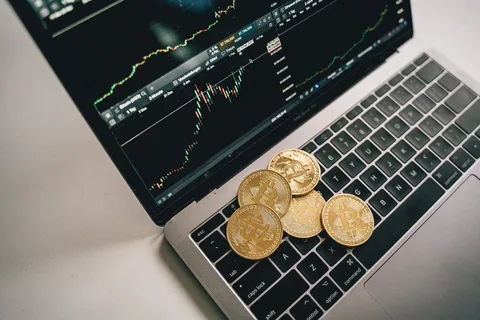
A cryptocurrency wallet is closely connected to the way a user interacts with a trading platform.
On a centralized exchange, users generally see an account balance managed through the platform’s custody infrastructure.
With a decentralized exchange, users generally connect a self-custody wallet and authorize transactions themselves.
Self-custody means the user is responsible for the wallet’s private keys or recovery phrase. This can provide direct control over assets but also means that losing the recovery information can create serious access problems.
The difference between exchange custody and self-custody is therefore an essential concept for anyone learning about Trading Platforms.
Security on Trading Platforms
Security should be considered before depositing funds into any crypto platform.
Users should use strong, unique passwords and enable available two-factor authentication or other account-protection features.
They should also be cautious about phishing websites and fake customer-support accounts. Attackers sometimes create websites that look almost identical to legitimate cryptocurrency platforms.
API keys should be managed carefully when automated trading tools are used. Unnecessary permissions should be disabled wherever possible.
Self-custody users have additional responsibilities. Private keys and recovery phrases should never be shared with another person or entered into suspicious websites.
Security practices cannot eliminate every risk, but they can reduce many avoidable account and wallet problems.
Trading Platforms and KYC
Know Your Customer (KYC) procedures are commonly associated with centralized cryptocurrency exchanges.
A centralized platform may request identity documents and other information before allowing users to access certain services. These requirements can be connected to financial regulations and anti-money-laundering obligations.
DEXs generally operate differently at the protocol level because users can interact directly with blockchain smart contracts. However, the legal and regulatory status of a DEX, its website interface, or related service can vary by jurisdiction.
Users should therefore check the current rules that apply to their location and the specific platform they intend to use.
Choosing a Crypto Trading Platform
There is no single feature that determines whether a platform is suitable for every user.
A useful evaluation can begin with security, custody, liquidity, fees, supported assets, payment methods, withdrawal options, and geographic availability.
The platform’s reputation and transparency are also important. Users can review official documentation, terms of service, security information, and current fee schedules.
It is also important to determine whether the platform provides spot trading, derivatives, P2P markets, or decentralized access based on the user’s intended activity.
A beginner who only wants to purchase and hold Bitcoin may have very different requirements from an experienced trader who needs advanced order types and API access.
Trading Platforms for Beginners
Beginners can start by learning how a basic exchange account works before exploring advanced products.
The first concepts worth understanding include spot trading, market orders, limit orders, trading pairs, spreads, fees, wallets, deposits, withdrawals, and account security.
It is also useful to understand the difference between an exchange balance and a self-custody wallet.
Beginners should not assume that an attractive interface or a large list of supported cryptocurrencies means a platform is appropriate for their needs.
Understanding the underlying mechanics is more important than rushing into complex trading strategies.
Advanced Trading Tools
Experienced traders may look for advanced charting, technical indicators, order-book information, API access, portfolio analytics, automated strategies, and derivatives.
Trading APIs allow software to communicate with an exchange according to the permissions granted to the API key.
Automated trading can help users implement predefined strategies, but it introduces technical and security risks. A poorly configured trading bot can execute unintended transactions or expose account credentials.
Advanced tools are therefore most useful when the user understands exactly how they work.
Trading Platforms and DeFi
Decentralized finance (DeFi) has expanded the role of blockchain-based Trading Platforms.
Users can interact with decentralized applications for token swaps, liquidity provision, lending, borrowing, and other financial activities.
DEXs are an important part of this ecosystem because they allow users to interact with blockchain liquidity directly from their wallets.
The DEX market has also evolved beyond simple automated market makers. Current DEX infrastructure includes aggregators, concentrated-liquidity systems, on-chain order books, and decentralized perpetual platforms.
This development has made decentralized trading increasingly sophisticated, although it has also introduced additional technical considerations.
Trading Platforms and Market Liquidity
The relationship between Trading Platforms and market liquidity continues to evolve.
Centralized exchanges still handle a large portion of cryptocurrency trading, particularly in major spot and derivatives markets. At the same time, decentralized trading has expanded into more sophisticated products.
Recent 2026 market research reported significant growth in DEX activity, including an increase in the DEX share of perpetual trading volume.
For traders, this means liquidity can increasingly be found across multiple venues rather than in one centralized marketplace.
Liquidity aggregation can therefore become important for users seeking better execution across different markets.
Common Trading Platform Mistakes
One common mistake is choosing a platform solely because it advertises low fees.
A platform with low headline fees may still have significant spreads, withdrawal charges, or price impact. Looking at total transaction costs gives a clearer picture.
Another mistake is keeping large amounts of cryptocurrency on a custodial exchange without understanding the associated risks.
Users can also make mistakes when withdrawing cryptocurrency by selecting an incompatible network or sending assets to an incorrect address.
Another frequent error is using leverage without understanding liquidation mechanics.
Finally, users should avoid trusting unsolicited messages that claim to represent an exchange’s customer-support team. Official support should be accessed through verified platform channels.
The Future of Trading Platforms
The cryptocurrency trading landscape is becoming increasingly interconnected.
Centralized exchanges continue to develop traditional account-based services, while decentralized platforms are adding more advanced trading infrastructure.
The distinction between CEX and DEX is therefore becoming less absolute. Some platforms now provide centralized exchange services alongside access to decentralized markets.
This evolution may give users more flexibility while also making the trading environment more complex.
Future developments are likely to involve improved blockchain scalability, better liquidity aggregation, more sophisticated on-chain trading, institutional infrastructure, and continued regulatory development.
The underlying principles will remain important: users need to understand where their assets are held, how transactions are executed, what fees apply, and what risks they are accepting.
Final Thoughts on Trading Platforms
Trading Platforms are the gateway through which many users interact with the cryptocurrency market. Centralized exchanges provide account-based trading, liquidity, fiat access, and a familiar user experience, while decentralized exchanges provide self-custody and direct access to blockchain-based markets.
The choice between these models depends on factors such as experience, trading objectives, custody preferences, supported assets, fees, liquidity, and local availability.
For beginners, understanding basic spot trading and wallet concepts can provide a strong foundation. More advanced users may explore derivatives, APIs, DeFi, automated trading, and on-chain markets after understanding their additional risks.
The most important lesson is that a trading platform is not simply a website where prices appear. It is an infrastructure layer involving custody, execution, liquidity, security, and transaction settlement.
As the crypto industry continues to develop, understanding these components can help users evaluate crypto exchanges and Trading Platforms more carefully and make informed decisions about how they interact with digital assets.
Frequently Asked Questions
What are Trading Platforms in crypto?
Trading Platforms are services that allow users to buy, sell, exchange, or manage cryptocurrencies. They include centralized exchanges, decentralized exchanges, and peer-to-peer marketplaces.
What is the difference between a CEX and a DEX?
A CEX is operated by a centralized company that generally manages accounts, trading infrastructure, and custody. A DEX uses blockchain-based smart contracts and generally allows users to trade through self-custody wallets.
What are the most important features of a crypto trading platform?
Important features include security, liquidity, trading fees, spreads, supported cryptocurrencies, withdrawal options, custody arrangements, order types, payment methods, and geographic availability.
Are decentralized Trading Platforms safer?
DEXs and CEXs involve different types of risk rather than one model eliminating risk. DEX users retain custody but face smart-contract, wallet, token, and transaction risks, while CEX users face custodial and counterparty risks.
What is spot trading?
Spot trading involves buying or selling the underlying cryptocurrency rather than trading a derivative contract. It is one of the most straightforward forms of cryptocurrency trading.
What should beginners learn before using Trading Platforms?
Beginners should understand wallets, private keys, market and limit Trading Platforms orders, trading fees, liquidity, spreads, deposits, withdrawals, security, and the difference between centralized custody and self-custody.